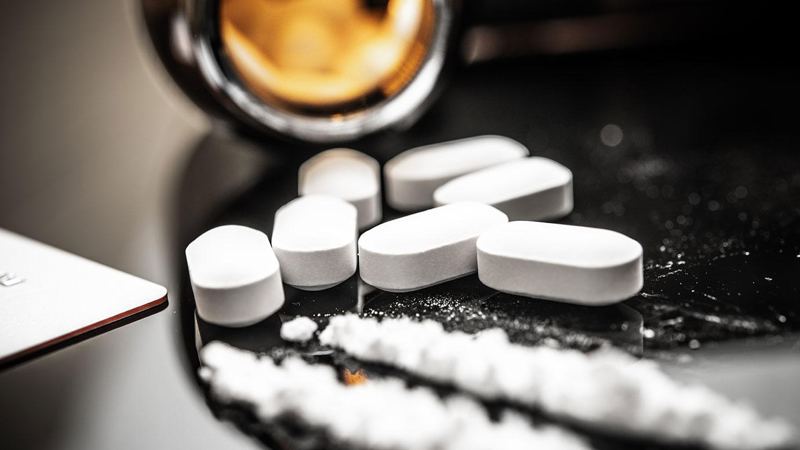
Fentanyl has caused approximately 266,000 deaths in the United States since 2021 and now drives roughly two-thirds or more of all overdose fatalities. The nation’s overdose death rate in 2023 was more than four times greater than it was in 1999, with the vast majority of that increase due to fentanyl. Jake Braun, former White House official and executive director of the Cyber Policy Initiative at the University of Chicago, described fentanyl as “a drug that is incredibly cheap” and “about 50 times more potent than heroin,” noting that it is “more like a poison” because it is being cut into other drugs and into fake prescription pills.
The Global Supply Chain and Cartel Operations
Fentanyl moves through a global supply chain starting with Chinese chemical manufacturers but dominated by Mexico’s Sinaloa Cartel, which functions as a massive global enterprise larger than a Fortune 50 company. The Sinaloa Cartel adapted its business over more than two decades from cannabis, cocaine, and heroin trafficking to focus on the opioid epidemic in the United States. While counterfeit medications were previously a small revenue source, they quickly became a major line of business as the U.S. government restricted prescription painkillers. Today, users seeking cheap pharmaceuticals online—even non-opioids like Ritalin or Viagra—may instead receive a lethal dose of fentanyl. The cartel operates like a diversified corporation, pivoting rapidly between revenue streams when one falters. When migrant crossings dropped sharply earlier in the year, reducing smuggling income from human trafficking, criminal syndicates in northern Mexico reportedly responded with high-ransom kidnappings to offset the lost earnings.
Federal Response and Deterrence Strategy
The U.S. federal government conducts regular, high-level diplomacy with Mexico and Canada aimed at boosting anti-fentanyl work as a shared political priority. According to Katie Tobin, former White House official and current lecturer at Harris, meetings occur monthly at levels just below presidential rank. Because demand for fentanyl is low and most deaths come from accidental exposure, the U.S. treats it as a supply-driven threat requiring intense, targeted pressure to make it too costly for cartels to continue. Braun argued that “outsized heat” through coordinated anti-syndicate operations between federal agencies, military units, and the intelligence community can force changes to cartel behavior and degrade their ability to profit from multiple lines of business, potentially causing them to exit the fentanyl trade altogether.
This article is an AI-assisted summary. All facts and figures are drawn from the original report: https://news.uchicago.edu/story/inside-us-fight-against-fentanyl-crisis