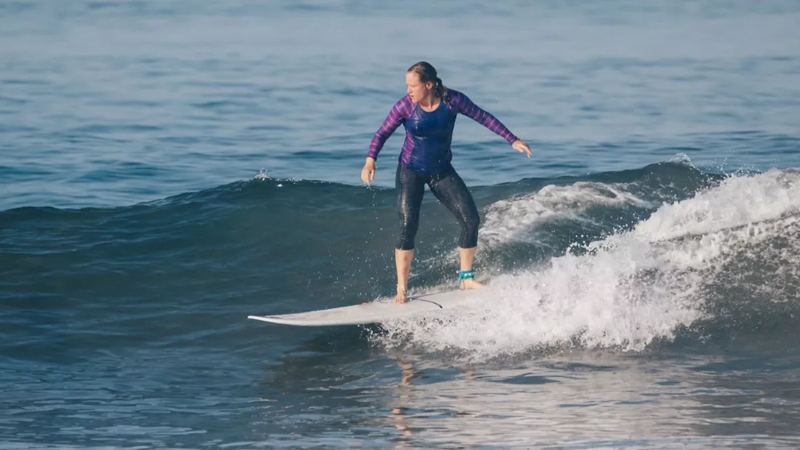
Surf therapy has emerged as an evidence-based intervention for PTSD recovery, combining sensory immersion, community connection, and graduated exposure to trauma. In a 2024 randomized controlled trial, veterans with both PTSD and major depressive disorder who engaged in either surf or hike therapy showed significant improvement, with 58 percent achieving remission from PTSD after just four hours per week for six weeks—surpassing the 33 to 50 percent remission rates seen in some studies of traditional pharmacological treatments.
The ocean environment uniquely supports healing through multiple mechanisms. Sensory immersion—cold water, crashing waves, unseen creatures—anchors participants in the present moment. Unlike PTSD’s characteristic avoidance, surfing demands complete engagement: awareness of senses, body, and environment. As surf therapy pioneer Carly Rogers described it, surfing represents “the antithesis of PTSD…instead of avoidance, it’s complete engagement. Your senses are aware, your body is aware, you’re present.” Participants frequently report being entirely absorbed in the water, unable to focus on trauma-related thoughts.
Surfing provides natural graduated exposure opportunities absent in traditional therapy. Each session offers choices—how far to go, when to rest, when to push—allowing participants to practice risk assessment, trust in their bodies, and reciprocal support. Learning, falling, and celebrating small victories together helps participants internalize new beliefs: “I can handle this. I can trust others. I can grow.”
The surf community itself fosters rapid connection and belonging. Both beginners and experienced surfers share the same break, and the shared challenge of the ocean creates instant camaraderie. Status, rank, and history fall away in the water; the ocean is described as a “great equalizer.” Since 2007, the Jimmy Miller Memorial Foundation has provided surf therapy to active duty Marines from the Wounded Warrior Battalion at Camp Pendleton. Initially skeptical military command witnessed dramatic transformations: better sleep, feeling more alive, and the return of joy and connection absent for years. Participants circle before and after sessions to recognize individual struggles and reflect on ocean-based lessons, reinforcing integration into daily life.
This article is an AI-assisted summary. All facts and figures are drawn from the original report: https://us.headtopics.com/news/surfing-offers-healing-through-exposure-belonging-and-awe-78344882