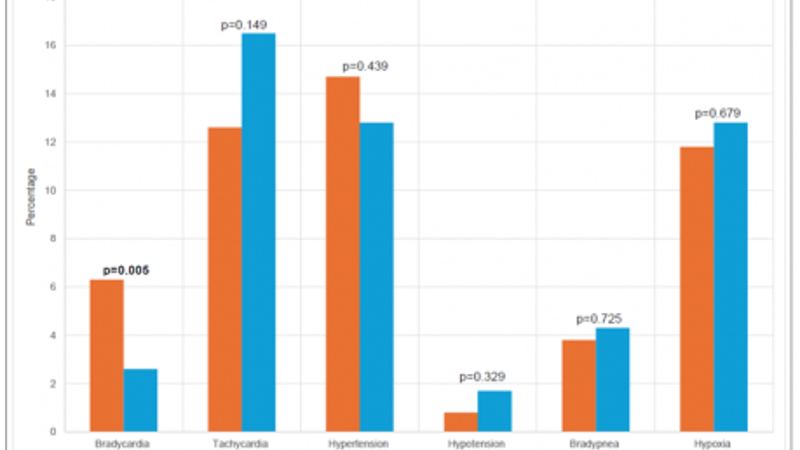
Researchers at the Icahn School of Medicine at Mount Sinai have identified bradycardia—an abnormally slow heart rate—as a symptom associated with xylazine-opioid overdose. The findings, published in the January 13 issue of Addiction, represent the first study linking this clinical sign to xylazine exposure and may help emergency physicians detect whether patients have been exposed to the synthetic drug, which is increasingly found as an additive to the illicit fentanyl supply, particularly in the Northeast.
The study analyzed 1,289 adult patients with suspected opioid overdose in emergency departments at 10 health care institutions across the United States between September 2020 and September 2023. Waste blood samples were sent to a specialized forensic toxicology lab to identify xylazine and other substances. Xylazine was detected in 238 patients. Among those exposed to xylazine, 6 percent had bradycardia upon arrival to the emergency room, compared to only 2 percent of patients without xylazine—a statistically significant difference. Patients with xylazine-fentanyl overdose were twice as likely to have bradycardia compared to those without xylazine.
Xylazine is a powerful animal sedative and pain reliever approved strictly for veterinary use, yet 25 percent of the U.S. fentanyl supply includes it. Overdose can cause severe skin lesions, sedation, hypothermia, and heart issues. Since there is no bedside test for xylazine detection, emergency physicians have lacked a clinical method to identify exposure, making the association with bradycardia potentially valuable for care. According to lead researcher Jennifer Love, MD, “Being able to associate a clinical sign, like a slow heart rate, with xylazine following an overdose can be helpful to doctors in the emergency room.”
Geographically, 75 percent of patients with xylazine were located in the northeastern United States. The likelihood of xylazine detection was 60 percent lower in the Midwest, 70 percent lower on the West Coast, and 97 percent lower in the Southeast. Researchers are continuing to study xylazine’s association with patient outcomes such as length of stay and intensive care unit admission, as well as the relationship between blood concentrations of xylazine and vital signs.
This article is an AI-assisted summary. All facts and figures are drawn from the original report: https://www.newswise.com/articles/an-abnormally-slow-heart-rate-is-associated-with-xylazine-fentanyl-overdose-primarily-seen-in-northeastern-united-states/?sc=rsla