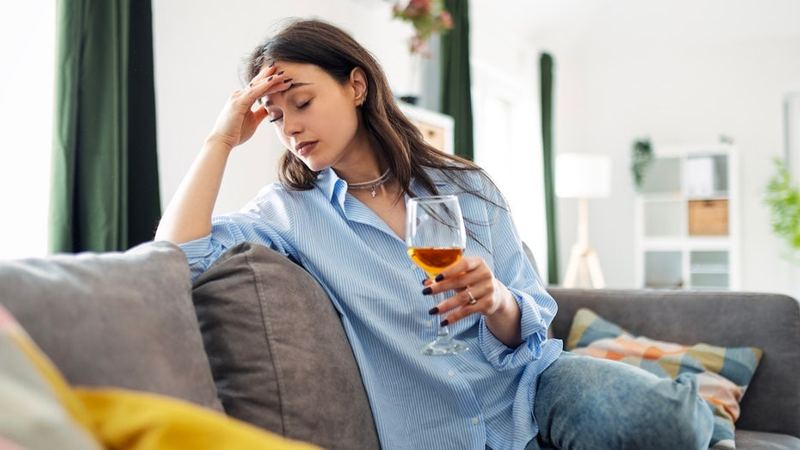
Naltrexone, a prescription opioid antagonist first approved by the FDA in 1984 to treat opioid dependence, has emerged as an effective tool for reducing alcohol consumption. A decade later, it was approved for alcohol use disorder, and in 2006 and 2010 respectively, monthly injectable formulations were approved for those same conditions. Recent studies continue to support its use as a decades-old alternative means of reducing problematic drinking.
Naltrexone works by blocking opioid receptors in the brain, which curbs cravings for alcohol and reduces its pleasurable effects. “Naltrexone can be used to assist with reducing alcohol cravings and reduce the pleasurable effects from alcohol ingestion, which can help those prone to binge-drinking to consume less volume,” according to Dr. David Campbell, clinical director at Recover Together in Bend, Oregon. The medication is most useful for people who experience strong cravings, drink to excess once they start, or drink primarily for reward or relief rather than habit. Jessica Steinman, chief clinical officer at No Matter What Recovery in Los Angeles, calls naltrexone “an incredibly helpful and life-saving tool” for people struggling with alcohol use disorder.
Common side effects include nausea, vomiting, headache, sleep disturbances, dizziness, fatigue, anxiety, loss of appetite, and joint or muscle pain. These effects are generally mild and may improve as the body adjusts. Rare cases may involve more severe effects such as liver issues, allergic reactions, and mental health effects. Crucially, naltrexone must never be taken concurrently with opioids, as it can induce precipitated withdrawal, an extremely uncomfortable condition.
According to CDC data, more than 50% of U.S. adults drink alcohol, about 17% are classified as binge-drinkers, and about 6% drink heavily. Around 178,000 deaths yearly in the United States are linked to excessive alcohol use. “Naltrexone helps many people reduce their drinking—it’s an effective medication to reduce alcohol craving and heavy drinking, and it works best in combination with counseling or other therapy,” said Donita Robinson, professor at UNC’s Bowles Center for Alcohol Studies. Naltrexone requires a prescription from a licensed healthcare provider.
This article is an AI-assisted summary. All facts and figures are drawn from the original report: https://www.foxnews.com/health/little-known-prescription-pill-helping-americans-drink-less-alcohol