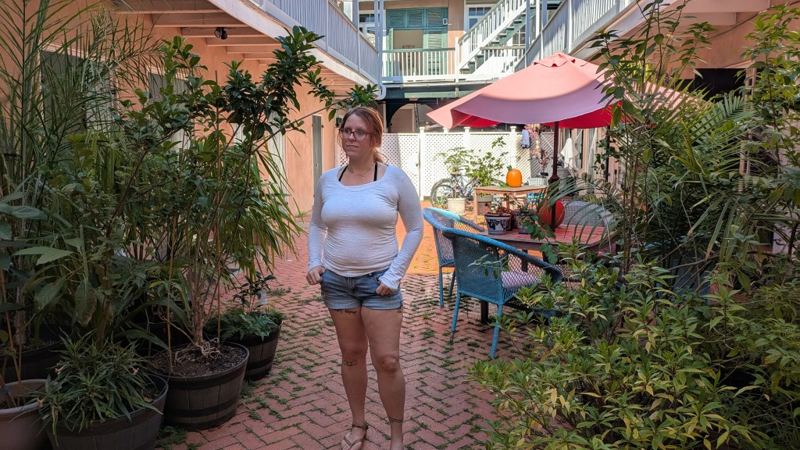
A dispute over addiction treatment approaches in New Orleans has highlighted a fundamental divide within medical practice between flexible harm-reduction methods and traditional abstinence-focused care. Dr. Elyse Stevens, a primary care and addiction medicine physician, was removed from her position at University Medical Center New Orleans in March after hospital supervisors questioned her prescribing practices, leading to a medical board investigation that ultimately cost her subsequent employment opportunities.
Flexible Versus Traditional Approaches
Stevens built a reputation treating complex patients—people with decades-long addictions, chronic pain on high opioid doses, sex workers, and homeless individuals. More than 80% of Americans who need substance use treatment don’t receive it due to barriers including high costs, transportation challenges, and incompatible clinic hours. During the COVID-19 pandemic, telehealth appointments, fewer urine drug tests, and longer medication refills became common, resulting in patients “doing OK” and reaching more people, according to Brian Hurley, immediate past president of the American Society of Addiction Medicine.
Stevens measured progress on a spectrum rather than in binaries. She helped Charmyra Harrell, a homeless woman with diabetes and cancer whom emergency room doctors repeatedly dismissed, by cleaning her leg sores at informal supply distribution events and eventually persuading her to seek clinic care. Stevens prescribed pain medication and set clear expectations, with Harrell reporting, “I’m no longer on cocaine.”
Supervisory Tensions
In summer 2024, hospital supervisors expressed concerns about Stevens prescribing too many painkillers, mixing opioids and other controlled substances to the same patients, providing high doses of buprenorphine, and not conducting enough urine drug tests. The chief medical officer wrote that her “prescribing pattern appears unconventional compared to the local standard of care.” Stevens responded with dozens of research studies and national treatment guidelines supporting her flexible approach, explaining that homeless patients couldn’t realistically attend daily methadone clinics while living in tents.
Investigation and Departure
After Stevens was told to stop working on March 10, hundreds of her patients were transferred to other providers. Patient Luka Bair experienced three days without buprenorphine medication and severe withdrawal symptoms. Bair eventually found another doctor but left their original clinic after the supervisor referenced Bair’s intermittent use of other drugs as markers of “high risk” requiring referral to intensive residential programs—incompatible with Bair’s full-time job. Nearly 100 medical students, doctors, patients, and service providers submitted letters calling for Stevens’ return.
In May, the hospital’s review committee determined Stevens’ practices fell “outside of the acceptable community standards” and constituted “reckless behavior.” The hospital referred her case to the state medical licensing board. Stevens’ response to the medical board included a 10-page bibliography with 98 citations from national addiction organizations. She eventually moved to the Virgin Islands to work in internal medicine. As of late December, the medical board’s website showed no action against her license.
This article is an AI-assisted summary. All facts and figures are drawn from the original report: https://kffhealthnews.org/news/article/addiction-medicine-harm-reduction-opioids-louisiana-doctor-battle/