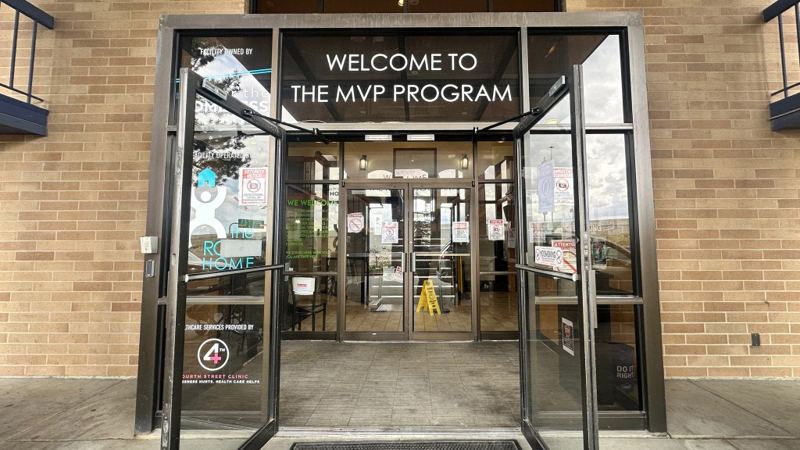
Specialized homeless shelters designed for seniors are opening across the United States to address the unique medical and accessibility needs of older unhoused adults. The Medically Vulnerable People (MVP) shelter near Salt Lake City serves residents 62 and older or younger adults with chronic health issues, offering on-site medical care, accessible rooms, and private bathrooms—amenities typically unavailable at traditional shelters.
Growing Senior Homelessness
Older adults comprise the fastest-growing homeless population nationwide according to Dennis Culhane, a researcher at the University of Pennsylvania. Not only are chronically homeless people aging, but many seniors are becoming homeless for the first time in their lives. Seniors struggle with shelter life due to challenges getting in and out of bunks, managing medications, and accessing shared bathrooms in time, particularly those dealing with incontinence. Traditional shelter staff sometimes ask seniors to leave if they’re unable to care for themselves. In 2022, a senior in Bozeman, Montana, froze to death after being asked to leave a shelter because of incontinence.
Medical Support and Services
The MVP shelter is unusual because it provides on-site medical care staffed by specialized case managers, primary care doctors visiting weekly, therapists, and physical therapy in private spaces. The shelter partnered with the Fourth Street Clinic to offer medical services. According to clinic staff, most new residents need medication management help, as homeless individuals struggle keeping regular medications stable—insulin is often buried in camps to keep it cold, and vials can spoil or be forgotten. One resident, Jamie Mangum, said that when she tripped and fell with lung cancer, emergency medical services were downstairs rather than hours away as at other shelters.
Proven Outcomes
The MVP model is showing success. The shelter near Salt Lake City permanently housed 36 seniors as of late last year. Elder Haven, a similar shelter in Fort Lauderdale, Florida, run by the TaskForce for Ending Homelessness, reported that over 80% of residents who stayed in their program moved into stable or permanent housing. The MVP shelter’s waitlist hovers around 200 people, with prioritization based on medical need rather than time spent waiting. Caitlin Synovec, assistant director of the National Health Care for the Homeless Council, stated that specialized shelters represent a difference between life and death and provide the best way to help seniors succeed once they get housing.
This article is an AI-assisted summary. All facts and figures are drawn from the original report: https://kffhealthnews.org/news/article/homeless-shelters-older-adults-medical-care-utah-florida/