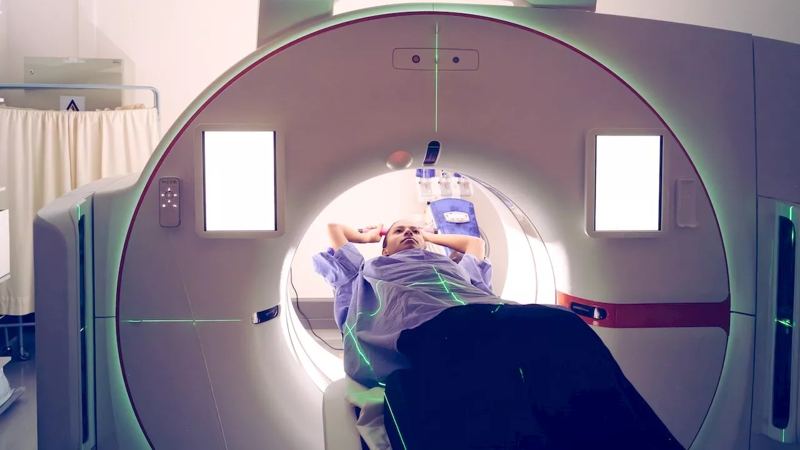
Medical experts increasingly recommend watchful waiting rather than immediate treatment for certain cancer types, as aggressive interventions can cause significant side effects without improving survival. For many slow-growing or early-stage malignancies, active surveillance and careful monitoring represent safer approaches than surgery, radiation, or chemotherapy, allowing patients to avoid harm while detecting progression if it occurs.
Prostate and Breast Cancer
For prostate cancer, treatment depends on cancer grade. Low-risk prostate cancers warrant initial observation and surveillance rather than immediate treatment, according to Sanoj Punnen, M.D., a urologic oncologist with Sylvester Comprehensive Cancer Center. For high-grade tumors like Gleason 8, 9 or 10, immediate treatment is recommended to prevent metastasis, while low-risk tumors pose little risk and are monitored using serial monitoring with PSA, MRI and occasional biopsy.
Ductal carcinoma in situ (DCIS), also known as stage 0 breast cancer, involves abnormal cells in the lining of breast milk ducts that have not spread outside the ducts. A 2024 study by the Dana-Farber Cancer Institute found that active monitoring for DCIS resulted in similar quality of life, mental health and symptom progression over a two-year period compared to standard surgical approaches. Research has shown that women with low-risk DCIS did not have higher rates of invasive cancer after two years of active monitoring.
Lymphomas, Leukemia, and Other Cancers
The National Comprehensive Cancer Network recommends watchful waiting for asymptomatic, slow-growing follicular lymphoma to avoid toxicity of chemotherapy and immunotherapy until necessary. For chronic lymphocytic leukemia, a 2023 study presented at the European Hematology Association 2023 Congress found that early treatment did not prolong overall survival compared to observation in patients with early, asymptomatic CLL.
Low-grade endometrial cancer in certain patients, particularly older adults with significant comorbidities or those wanting to preserve fertility, may warrant deferred surgery in favor of hormone treatment. For small kidney tumors, active surveillance is an option—data from the Delayed Intervention and Surveillance for Small Renal Masses Registry showed patients with active surveillance had a 99% or greater cancer-specific survival rate, virtually identical to those receiving immediate treatment. For small papillary thyroid cancers measuring 1 centimeter or less, research found that using active surveillance for 10 to 20 years resulted in less than 10% experiencing significant growth, only 5% developing lymph node spread and no thyroid-cancer deaths. The American Thyroid Association’s guidelines officially recommend active surveillance for very low-risk microcarcinomas.
This article is an AI-assisted summary. All facts and figures are drawn from the original report: https://headtopics.com/news/not-all-cancers-should-be-treated-right-away-medical-77978326