West Virginia: Behavioral Health News
West Virginia faces evolving challenges in behavioral health care access, workforce capacity, and policy reform. Below is a running tracker of West Virginia therapy, mental health, and behavioral health policy developments from 2025 and 2026.
June 2026
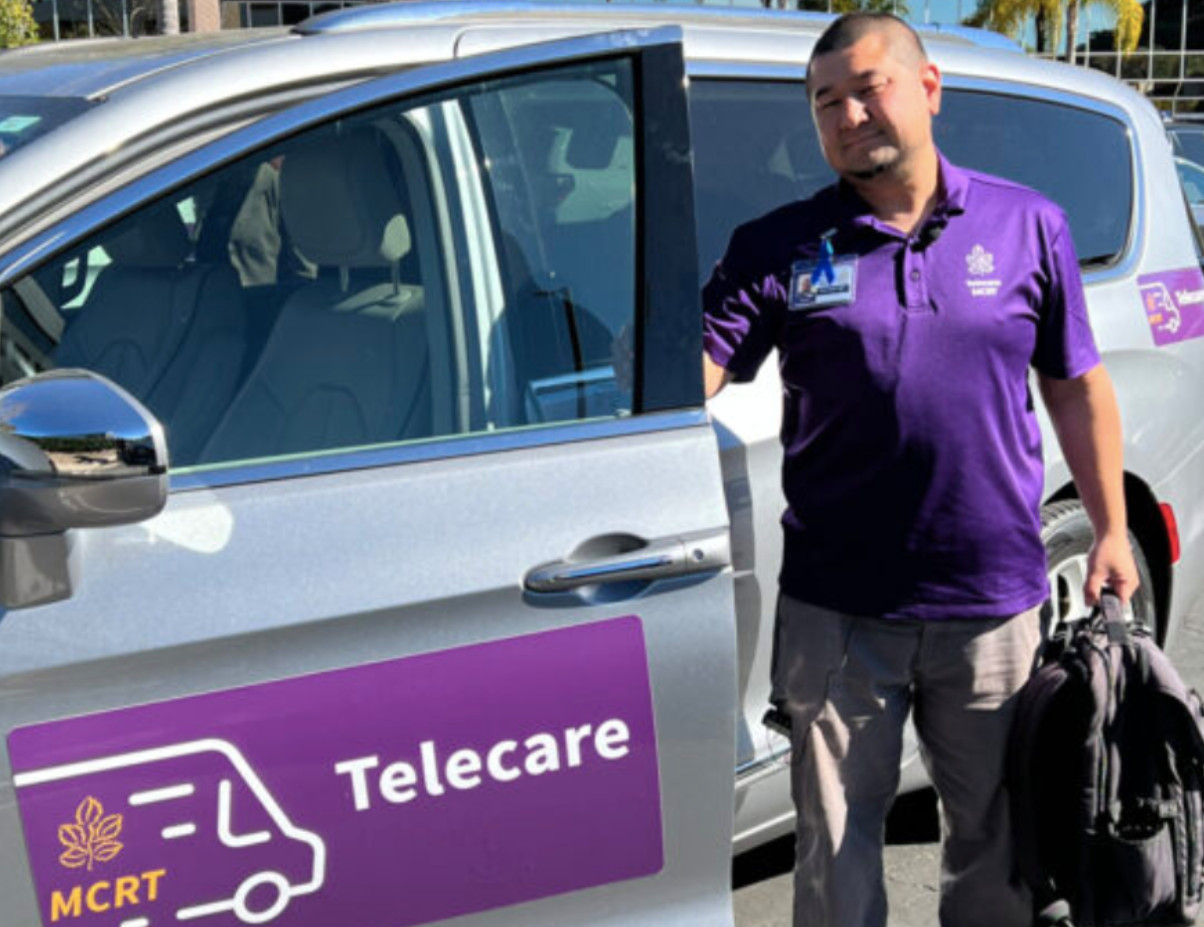
June 20, 2026 — West Virginia joins federal CCBHC Medicaid demonstration to expand community mental health clinics
West Virginia was officially added to the federal CCBHC Medicaid demonstration program, securing prospective reimbursement rates for comprehensive outpatient psychotherapy, addiction recovery, and 24/7 crisis triage across all counties.
Source: West Virginia Department of Health and Human Resources
June 2026
June 10, 2026 — The City of Huntington secured grant funding to expand its co-responder Crisis Intervention Team pairing police officers with behavioral health clinicians.
Operating under the Huntington Police Department’s Coordinated Care Unit, the expanded team deploys licensed mental health professionals alongside law enforcement on 911 calls involving psychiatric crises. The program diverts individuals in crisis away from emergency rooms and criminal charges toward outpatient treatment and community-based support services.
Source: https://wvpublic.org
June 1, 2026 — West Virginia was selected as one of ten states nationwide to join the federal Certified Community Behavioral Health Clinic (CCBHC) Medicaid Demonstration Program.
Managed by the West Virginia Department of Human Services, the selection enables the state to receive enhanced Medicaid reimbursement to expand comprehensive behavioral health and substance use disorder services. The initiative focuses on scaling sustainable 24/7 crisis intervention, routine outpatient care, and integrated behavioral health services across rural communities.
Source: https://dohs.wv.gov
June 1, 2026 — The West Virginia First Foundation opened applications for $9.87 million in Community Catalyst Grants to support behavioral health and addiction recovery infrastructure.
Distributing funds from West Virginia’s opioid settlement proceeds, the grant program offers funding to local governments, non-profits, and healthcare providers. Priority areas include mobile crisis response teams, evidence-based treatment programs, and peer recovery housing across state counties.
Source: https://wvfirst.org
May 2026
May 13, 2026 — West Virginia improved its national maternal mental health grade from a D-Minus to a B-Minus in the 2026 report card issued by the Policy Center for Maternal Mental Health.
The grade increase highlights state efforts to expand universal perinatal depression screenings, state Medicaid postpartum coverage extensions, and provider training scholarships. State health leaders emphasized that ongoing programs are working to address remaining telebehavioral health gaps in designated health professional shortage counties.
Source: https://wvpublic.org
May 7, 2026 — The West Virginia Department of Human Services launched the statewide Perinatal Psychiatric Access Program to expand maternal mental health care.
Developed in partnership with the West Virginia Perinatal Partnership and funded by federal HRSA grants, the program offers frontline obstetric and primary care clinicians real-time telephonic psychiatric consultations. It also provides telehealth diagnostic visits and referral support for pregnant and postpartum women facing behavioral health disorders.
Source: https://dohs.wv.gov
March 2026
March 14, 2026 — West Virginia enacted Senate Bill 742 to reform the state’s mental hygiene petitions and 72-hour involuntary commitment process.
The legislation empowers authorized hospital staff physicians to order 72-hour involuntary psychiatric holds for individuals posing a substantial likelihood of physical harm to themselves or others without mandatory pre-commitment notifications. It also extends the formal court petition filing window to 72 hours to reduce administrative bottlenecks in emergency departments.
March 3, 2026 — The West Virginia Department of Human Services announced a statewide expansion of Functional Family Therapy for youth with complex behavioral health needs.
Overseen by the Bureau for Behavioral Health, Functional Family Therapy delivers short-term, home-based therapeutic intervention for adolescents with severe emotional disorders or juvenile justice involvement. The expanded service aims to keep youth safely in their family environment while reducing out-of-home residential placements.
Source: https://dohs.wv.gov
March 2, 2026 — Governor Patrick Morrisey proclaimed West Virginia’s inaugural Teen Mental Health Awareness Week under the theme “Why We Talk.”
Organized in partnership with NAMI West Virginia, the initiative encouraged middle and high schools to facilitate peer-led discussions and reduce stigma surrounding youth mental health. Events across the state highlighted school-based counseling resources and promoted 24/7 crisis support through the 988 Lifeline.
Source: https://wvdn.com
May 2025
May 15, 2025 — The West Virginia Department of Human Services highlighted the expansion of the WV Wraparound program for children with severe behavioral health challenges.
WV Wraparound provides family-centered care coordination to connect youth experiencing severe emotional disturbances with local therapy, crisis planning, and respite services. The initiative aims to prevent out-of-state institutional placements by keeping youth supported within their home communities.
Source: https://dohs.wv.gov
January 2025
January 1, 2025 — West Virginia enacted a five-year federal extension of its Section 1115 Medicaid Demonstration for the Behavioral Health Continuum of Care.
Approved by the Centers for Medicare & Medicaid Services, the extension maintains expanded Medicaid coverage for intensive community-based mental health services, adult crisis stabilization, and peer recovery support. The continuation provides sustained financial stability for behavioral health safety-net providers serving low-income residents.
Source: https://dhhr.wv.gov/bbh
This page is updated as new West Virginia behavioral health developments occur. Items are sourced from public primary sources — if we cannot link it, we do not post it.