Pennsylvania: Behavioral Health News
Pennsylvania faces evolving challenges in behavioral health care access, workforce capacity, and policy reform. Below is a running tracker of Pennsylvania therapy, mental health, and behavioral health policy developments from 2025 and 2026.
August 2026
August 10, 2026 — Pennsylvania state officials and healthcare advocates warned that upcoming federal Medicaid eligibility and administrative policy shifts could disrupt behavioral health coverage for vulnerable residents across the Commonwealth.
The Department of Human Services highlighted preparations for upcoming federal work requirements and eligibility redeterminations slated for full implementation by January 2027. Advocacy organizations caution that administrative reporting hurdles risk causing tens of thousands of Pennsylvanians to lose Medicaid benefits needed for outpatient therapy and addiction treatment. State agencies are launching outreach campaigns to assist enrollees with required paperwork to prevent gaps in continuous behavioral healthcare.
Source: https://www.wesanews.org/politics-government/2026-08-10/medicaid-changes-healthcare-coverage
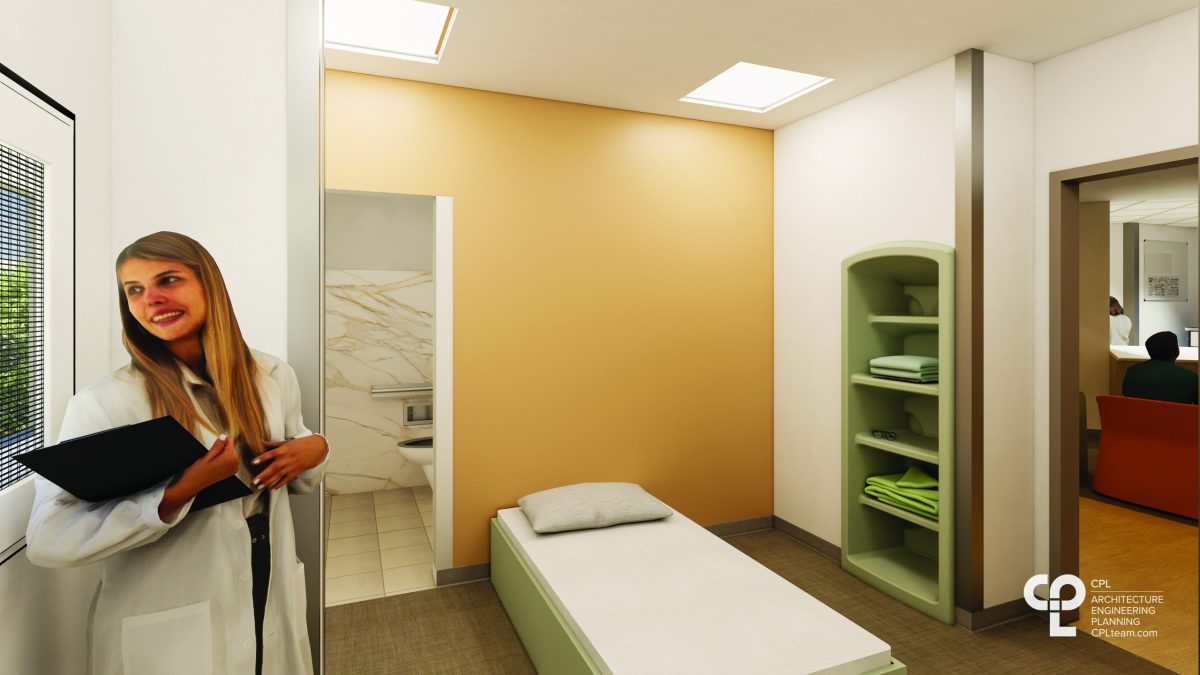
August 5, 2026 — Governor Josh Shapiro and the Commonwealth’s Behavioral Health Council unveiled a comprehensive statewide action plan aimed at expanding treatment access, reforming insurance payment models, and integrating mental health with criminal justice systems.
The 41-recommendation plan establishes six strategic goals to overhaul Pennsylvania’s behavioral healthcare infrastructure, including workforce expansion and health equity initiatives. It introduces a whole-of-government model designed to connect 911 and 988 emergency crisis response channels while aligning Medicaid and commercial reimbursement rates. The administration is proceeding with immediate executive reforms while requesting statutory action from the Pennsylvania General Assembly.
August 4, 2026 — Penn State health policy experts analyzed how federal and state Medicaid policy changes directly impact rural Pennsylvania communities facing severe shortages of behavioral health professionals.
The analysis underscored how rural health systems rely heavily on Medicaid capitation to fund community mental health clinics and tele-behavioral health services. With pending federal policy shifts, rural health centers face heightened financial strain while attempting to recruit specialized clinical staff. Researchers emphasized the need for targeted state supplemental funding and loan forgiveness to maintain rural crisis stabilization and therapy access.
Source: https://www.wesanews.org/health-science-tech/2026-08-04/penn-state-rural-health
July 2026
July 28, 2026 — A national public health report published by Pennsylvania media outlets highlighted rising preteen suicide rates, prompting urgent calls for expanded youth mental health screening in schools.
Epidemiological data revealed an alarming uptick in suicidal ideation and self-harm emergency visits among youth aged 10 to 14 over recent years. Pennsylvania child advocates urged school districts to utilize dedicated state safety and mental health grants to hire additional licensed counselors. The report stressed early intervention protocols and community-based mental health partnerships to support vulnerable children.
May 2026
May 5, 2026 — Pennsylvania state leaders and emergency care organizations expanded mental health support programs tailored specifically for first responders facing workplace trauma and burnout.
The initiative provides targeted funding for specialized peer support, counseling, and crisis response services designed for paramedics, firefighters, and law enforcement personnel. Officials recognized that front-line emergency responders experience elevated rates of occupational stress and post-traumatic distress due to high crisis call volumes. The program expands confidential mental health resources statewide to reduce stigma and improve retention among emergency service workers.
December 2025
December 8, 2025 — Mental health advocacy groups reported a significant surge in crisis calls from rural Pennsylvania agricultural communities dealing with economic pressures and extreme weather events.
Call centers supporting rural helplines recorded increased demand for crisis intervention and farm-stress management counseling throughout late 2025. In response, state agriculture and human services agencies collaborated to expand specialized counselor training tailored to agricultural stressors. The initiative aims to deploy mobile crisis resources and tele-therapy options directly to underserved farming counties.
November 2025
November 20, 2025 — The Pennsylvania Department of Human Services published comprehensive administrative guidance preparing providers and beneficiaries for federal Medicaid changes taking effect in January 2027.
The policy framework details administrative, work-reporting, and eligibility criteria revisions affecting Medical Assistance recipients statewide. DHS outlined provider compliance protocols to maintain continuous coverage for mental health and substance use disorder treatment. The agency is coordinating with county mental health offices to minimize service disruptions during the transition.
Source: https://www.pa.gov/agencies/dhs/resources/medicaid/medicaid-changes
October 2025
October 10, 2025 — Pennsylvania’s Department of Human Services released its Complex Behavioral Health Blueprint to improve care coordination for individuals with co-occurring mental health and developmental conditions.
The strategic framework addresses critical service gaps for youth and adults who require intensive inter-agency support across behavioral health, disability, and foster care systems. It establishes specialized cross-system care teams and multi-disciplinary regional hubs to reduce emergency room boarding and institutional placements. State officials designed the blueprint to stream Medicaid funding streams and expand specialized community placement options.
September 2025
September 15, 2025 — The Pennsylvania Department of Human Services updated state standards for tele-behavioral health services delivered through the HealthChoices Medicaid program.
The guidance from the Office of Mental Health and Substance Abuse Services (OMHSAS) establishes permanent coverage standards for remote audio-visual and audio-only psychotherapy. The policy ensures that Medicaid beneficiaries retain flexible access to licensed mental health professionals without in-person restrictions. Providers lauded the regulations for reducing appointment drop-out rates and expanding access in mental health shortage areas.
This page is updated as new Pennsylvania behavioral health developments occur. Items are sourced from public primary sources — if we cannot link it, we do not post it.