North Carolina: Behavioral Health News
North Carolina faces evolving challenges in behavioral health care access, workforce capacity, and policy reform. Below is a running tracker of North Carolina therapy, mental health, and behavioral health policy developments from 2025 and 2026.
June 2026
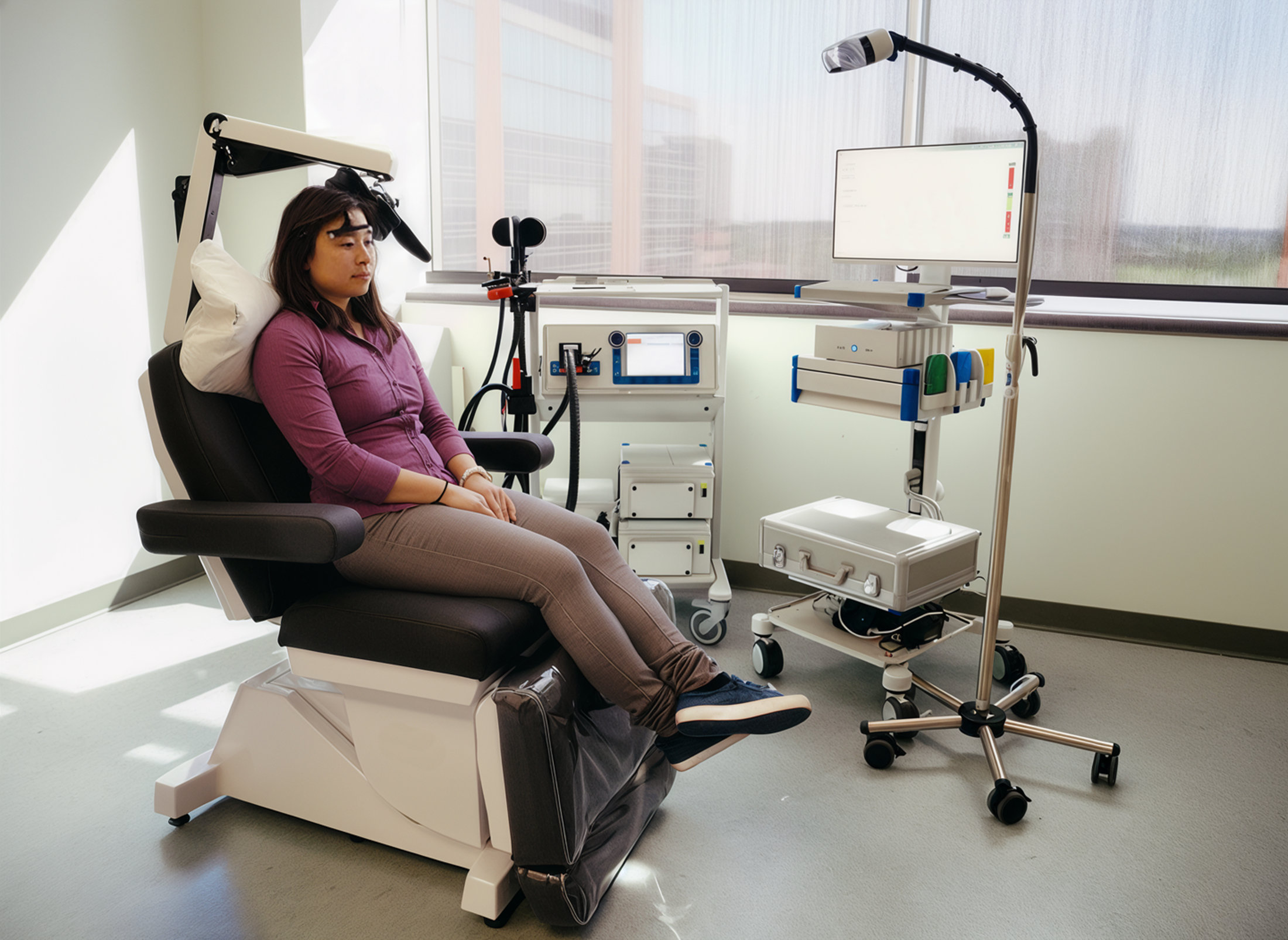
June 15, 2026 — North Carolina expands Specialty Mental Health Supervision across all 100 counties
North Carolina state health and public safety officials expanded specialized behavioral health supervision statewide, pairing trained mental health probation officers with community clinical teams to support individuals with severe mental illness in community settings.
Source: North Carolina Department of Health and Human Services
February 24, 2026 — North Carolina commits .4B behavioral health investment including outpatient therapy vouchers
State leaders allocated funds from a .4 billion behavioral health package to launch direct mental health access vouchers offering up to 10 free therapy or psychiatric consultations for uninsured and underinsured residents.
Source: NC DHHS
July 2026
July 2, 2026 — Governor Josh Stein signed House Bill 1104 into law to update North Carolina’s involuntary commitment laws and mandate comprehensive system evaluations.
Building upon previous criminal justice reforms, the new legislation revises procedural requirements and study guidelines for involuntary psychiatric commitments across North Carolina. The law mandates ongoing state legislative studies into outpatient commitment effectiveness, emergency room boarding times, and bed availability tracking. Health policy advocates called for swift implementation of study recommendations to expand community care capacity alongside legal reform.
Source: https://www.northcarolinahealthnews.org
June 2026
June 12, 2026 — North Carolina completed the statewide expansion of its Specialty Mental Health Supervision program across all 100 counties.
The Department of Adult Correction deployed specialized probation and parole officers trained specifically to manage individuals with severe mental illness. Officers under this program maintain reduced caseloads to provide intensive case management, assist with therapy attendance and medication access, and work directly with mental health providers. State leaders noted that full statewide coverage establishes North Carolina as a national leader in specialized behavioral health probation supervision.
Source: https://www.northcarolinahealthnews.org
February 2026
February 17, 2026 — Governor Josh Stein signed an executive order directing state agencies to integrate behavioral health treatment within North Carolina’s criminal justice system.
The executive order mandates cross-agency collaboration between NCDHHS, the Department of Adult Correction, and local law enforcement to streamline crisis response and diversion programs. It prioritizes expanded forensic peer support, jail-based mental health restoration services, and post-release housing assistance for justice-involved individuals. The policy directive builds on recommendations from state study commissions seeking to reduce recidivism and improve public safety.
Source: https://governor.nc.gov/news/press-releases
December 2025
December 15, 2025 — North Carolina launched a $20 million Licensed Workforce Loan Repayment Program to recruit and retain behavioral health professionals in underserved communities.
The North Carolina Department of Health and Human Services announced the multi-million dollar incentive initiative targeting licensed clinicians such as social workers, counselors, and psychologists serving high-need areas. Qualifying behavioral health professionals can receive up to $50,000 in student loan forgiveness in exchange for a three-year service commitment at eligible sites across the state. The program forms a major component of North Carolina’s broader strategic investment to address critical behavioral health workforce shortages.
Source: https://www.ncdhhs.gov/news/press-releases
November 2025
November 18, 2025 — NCDHHS and First Lady Anna Stein unveiled a $9.5 million pilot program establishing Forensic Assertive Community Treatment (FACT) teams across North Carolina.
The initiative establishes specialized multidisciplinary FACT teams in six high-need counties, including Wake, Durham, Mecklenburg, Pitt, Buncombe, and New Hanover. These teams offer wrapped behavioral healthcare, housing assistance, and crisis support for individuals with severe mental illness who are navigating or reentering from the criminal justice system. The effort aims to break cycles of incarceration and emergency department reliance while increasing community stabilization.
Source: https://www.ncdhhs.gov/news/press-releases
October 2025
October 20, 2025 — North Carolina health officials celebrated the opening of a new 24/7 Behavioral Health Urgent Care facility in Pitt County.
The new urgent care center serves as a community-based crisis diversion hub designed to provide rapid walk-in assessments and short-term stabilization for individuals in mental health distress. Launched as part of a $13.5 million state investment in crisis infrastructure, it represents the seventh such facility opened in North Carolina within an 18-month span. Officials highlighted the center as a vital alternative to overcrowded hospital emergency departments and local detention facilities.
Source: https://www.ncdhhs.gov/news/press-releases
September 2025
September 24, 2025 — The North Carolina General Assembly enacted Iryna’s Law (HB 307) to tighten pretrial release conditions and expand mental health evaluations for criminal defendants.
Named after a Charlotte light-rail stabbing victim, the legislation restricts pre-trial release options for defendants charged with violent offenses or repeat Class 1 misdemeanors. The law mandates court-ordered mental health evaluations and requires judicial officers to document formal justifications for release decisions. While proponents cited public safety improvements, mental health advocates voiced concern over increased county jail stays and insufficient community mental health funding.
Source: https://www.northcarolinahealthnews.org
August 2025
August 6, 2025 — NCDHHS launched a two-year pilot program introducing alternatives to physical restraint and seclusion in youth residential psychiatric facilities.
The state partnered with 22 Psychiatric Residential Treatment Facilities (PRTFs) to implement the Ukeru de-escalation framework, a trauma-informed system that avoids physical restraints and isolation. The initiative aims to enhance safety for both youth and healthcare staff while fostering healthier therapeutic environments. State health leaders emphasized the pilot as a crucial step toward modernizing pediatric behavioral health care standards across North Carolina.
Source: https://www.ncdhhs.gov/news/press-releases
March 2025
March 26, 2025 — North Carolina partnered with Hazel Health to offer free virtual mental health services to over 400,000 public school students statewide.
NCDHHS launched the tele-behavioral health initiative to connect K-12 students with licensed therapists directly from school or home. Initial implementation began in Durham Public Schools and Harnett County Schools before expanding across participating school districts statewide. The program aims to bridge geographical and financial access barriers, ensuring children receive timely mental health support without long wait times.
Source: https://www.ncdhhs.gov/news/press-releases
February 2025
February 4, 2025 — NCDHHS allocated $3 million to expand the Child First home-visiting intervention program for young children experiencing trauma and mental health challenges.
The state funding expands home-based clinical mental health therapy and care coordination for vulnerable children from prenatal development through age five. By providing targeted early intervention, the program aims to alleviate family trauma, treat maternal depression, and prevent child welfare involvement. Health officials highlighted the expansion as an essential preventative investment in long-term childhood behavioral health across North Carolina.
Source: https://www.ncdhhs.gov/news/press-releases
This page is updated as new North Carolina behavioral health developments occur. Items are sourced from public primary sources — if we cannot link it, we do not post it.