As June marks Alzheimer’s and Brain Awareness Month, a Florida State University expert is reframing how we approach brain health by emphasizing a whole-body perspective to reduce dementia risk. According to the Alzheimer’s Association, more than 55 million people live with Alzheimer’s disease or other dementias worldwide, while approximately 7.4 million people aged 65 and older in the United States live with Alzheimer’s—an irreversible brain disorder that erodes memory and thinking skills.
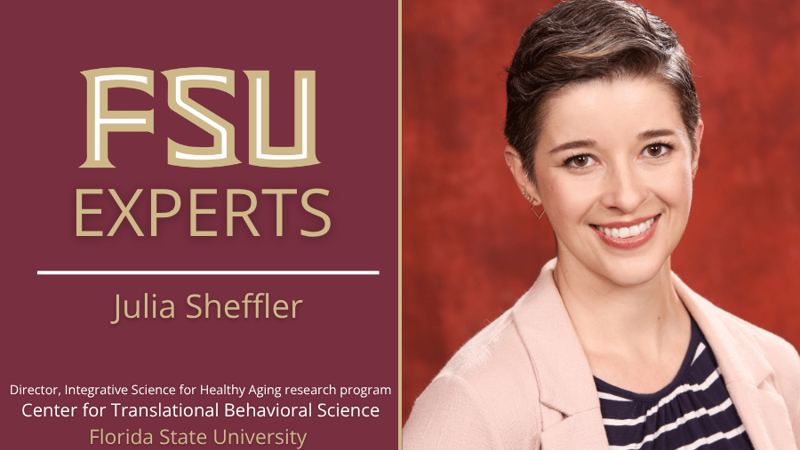
Julia Sheffler, director of the Integrative Science for Healthy Aging research program in the FSU College of Medicine, specializes in improving scientific understanding of risk and resiliency factors related to late-life health and cognitive functioning. Her approach emphasizes that brain health is interconnected with the rest of the body, particularly metabolism. “Many of the same behaviors that support the heart, blood vessels, metabolism, mood, and sleep also support the brain,” Sheffler noted. The brain is an extremely energy-demanding organ dependent on healthy blood vessels, stable metabolic function, and a steady fuel supply. When systems like blood sugar regulation, cardiovascular health, inflammation, or lipid metabolism are disrupted, those changes can affect the brain over time.
Sheffler’s research allows her to develop personalized strategies integrating nutrition, movement, mental health, and social connection. She emphasizes that “the best lifestyle change is often the one a person can realistically sustain,” whether through improving diet, quitting tobacco, reducing alcohol use, increasing physical activity, improving sleep, or strengthening social connections. Individual differences in how bodies metabolize and respond to nutrients mean even healthy dietary patterns may not work the same way for everyone. Dementia risk is shaped by a combination of factors including genetics, medical history, education, socioeconomic context, neighborhood resources, healthcare access, and lifestyle—many beginning early in life. However, dementia risk is not fixed. Even for individuals at higher risk due to family history or vascular risk factors, meaningful opportunities exist to support brain health through realistic, accessible changes.
Sheffler stresses that brain health should not be considered only after memory problems begin. “Even small, sustainable changes can be meaningful when they become part of a person’s everyday life.”
This article is an AI-assisted summary. All facts and figures are drawn from the original report: https://news.fsu.edu/news/expert-pitches/2026/06/08/beyond-memory-fsu-expert-takes-whole-body-approach-for-alzheimers-and-brain-awareness-month/