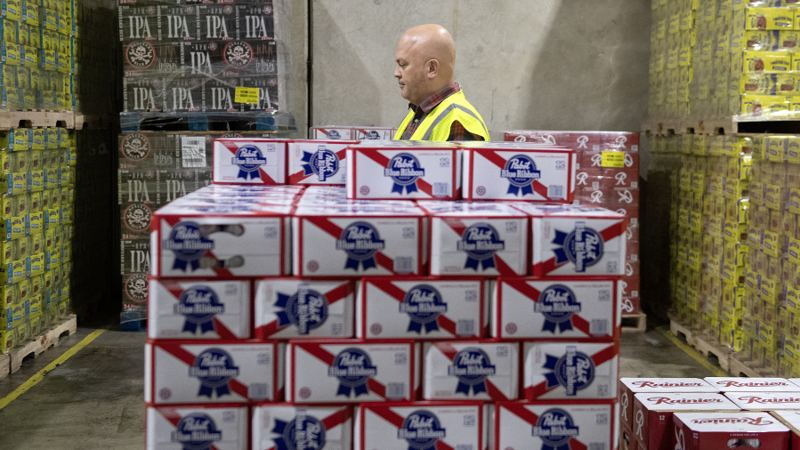
A growing number of young adults are opting to back away from alcohol, even as drinking rates increase among older demographics. In 2023, 38% of young adults under 35 said they completely abstained from alcohol, up from 28% in 2003, according to a 2023 Gallup poll. More strikingly, in 2025, Gallup found that drinking rates among young people were on a sharp decline post-pandemic, with about 50% of young adults reported drinking alcohol last year, a nine-point drop from 2023.
Personal wellness and changing social expectations are driving much of this shift. Young adults are increasingly skeptical about alcohol’s health effects; according to Gallup, 66% of young adults in 2025 believed that even moderate drinking is bad for their health, compared to 50% of middle-aged adults and 48% of older adults. A World Health Organization study asserting no level of alcohol consumption is safe for health made significant waves when it was published in 2023, and experts believe heightened publicity surrounding health concerns plays into youth trends. Additionally, alcohol spending hit a four-decade low in 2024, according to the Bureau of Labor Statistics, suggesting cost is another factor driving reduced consumption across generations.
Cannabis as an alternative
Some young people who abstain from alcohol are using other substances recreationally. In 2023, more than 42% of young adults aged 19-30 reported using cannabis in some form in the past year, compared to 27% in 2010, according to researchers at the University of Michigan. Daily use of cannabis more than doubled in the same time span, from 5% of young adults in 2010 to more than 10% in 2023. During that same period, the share of young adults who consumed alcohol daily fell from 5.1% in 2010 to 3.6% in 2023. This shift has coincided with sweeping legalization: it’s now legal in 42 states for medical use and 24 states for recreational use. One in 10 adults who use marijuana develop cannabis use disorder, and marijuana now accounts for about half of admissions into substance use treatment for young people aged 12 to 17.
Loneliness concerns
Though declining drinking rates may signal positive health choices, some observers worry the trend could mask a broader social problem. About 67% of Gen Z adults reported being lonely last year, compared to 65% of millennials, 60% of Gen Xers and 44% of boomers. On a given week, those aged 15 to 34 spend roughly 14 more hours at home than they did two decades ago, according to a 2024 report based on the American Time Use Survey. Between 2021 and 2024, monthly binge drinking rates (five or more drinks in a row) among young adults aged 18 to 25 fell 3.3%, according to the U.S. Substance Abuse and Mental Health Services Administration, with declines observed in the Northeast, Midwest and West.
This article is an AI-assisted summary. All facts and figures are drawn from the original report: https://www.columbian.com/news/2026/jun/06/why-is-alcohol-use-among-gen-z-dropping/