California has launched a groundbreaking program allowing federal Medicaid dollars to fund healthcare for incarcerated individuals preparing for release, breaking a longstanding policy that blocked such funding. The Justice-Involved Reentry Initiative, approved in 2023, represents the first time a state has received permission to spend federal Medicaid on pre-release care within the corrections system.
Program Scope and Early Results
All of California’s 31 state prisons and more than half of its counties have started reentry programs, with all remaining counties required to launch by October. Yuba and Sutter counties, adjacent Central Valley jurisdictions north of Sacramento, pioneered the effort in October 2024, merging their programs into a single bi-county initiative. A Sutter County jail commander followed in April 2025. According to the Department of Health Care Services, the pre-release initiative delivered more than 159,000 billable services and prescriptions in its first year and added more than 24,000 incarcerated people to the Medicaid rolls.
The “Warm Handoff” Model
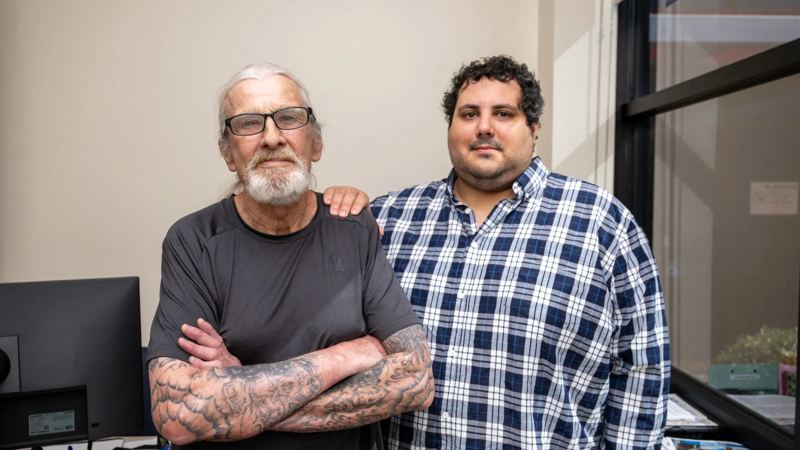
The program coordinates treatment for chronic conditions, mental health, and substance use disorders before release. Services include securing a 30-day medication supply, scheduling primary care appointments within 10 days of release, and connecting individuals to housing and food resources. Case managers work daily with 15 to 25 people, coordinating with behavioral health specialists, probation officers, clinicians, doctors, and nurses. One beneficiary, 67-year-old Harold Kemper, released from Yuba jail in February after serving time for a narcotics conviction, praised the support: “CalAIM and these ladies here with Peach Tree Health have been golden. They helped me get going with Social Security and Medicare.”
Building Cross-System Partnerships
Success hinges on collaboration between public health and law enforcement. Phuong Luu, MD, MHS, health officer for Yuba and Sutter counties, emphasizes viewing the program as health care discharge planning within the correctional system. “We need to break the cycle of recidivism,” she said. Sutter County Jail Commander Matthew Maples, initially skeptical about alignment between state programs and law enforcement values, became an enthusiastic supporter after attending a conference, recognizing that “this initiative gives them the sense that people actually care.”
This article is an AI-assisted summary. All facts and figures are drawn from the original report: https://www.chcf.org/resource/medi-cal-reentry-services-enhance-health-care-access-after-release-jails-prisons