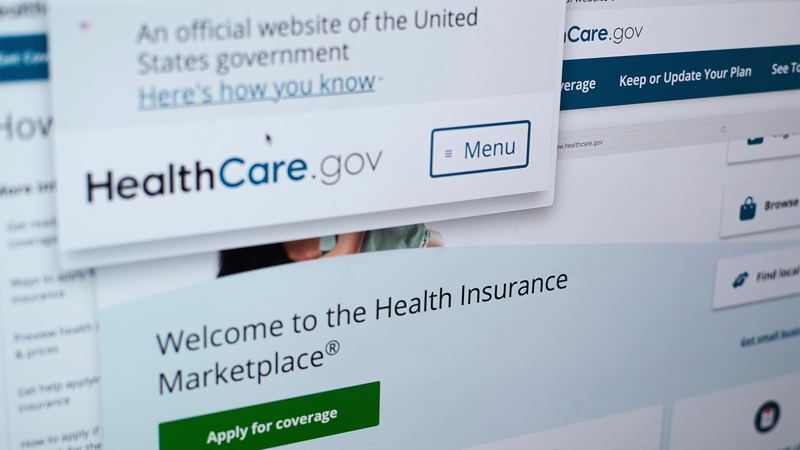
Nationwide enrollment in the Affordable Care Act health insurance marketplace could plummet by nearly 5 million people, shrinking the program by more than 20%, according to a new analysis from the healthcare research nonprofit KFF. The projected drop—from 22.3 million Americans in 2025 to around 17.5 million this year—stems largely from the Jan. 1 expiration of COVID-era subsidies that had helped the vast majority of enrollees pay for their coverage.
Rising Costs Squeeze Middle-Income Enrollees
Those who remain covered are paying significantly more. The average enrollee’s deductible has grown by more than $1,000, and the average monthly premium payment has risen by $65. Premium payments jumped by an average of 58% overall, though many people downgraded to lower-premium, higher-deductible plans to manage costs. Cynthia Cox, vice president of KFF and co-author of the report, noted that people are taking dramatic steps to afford coverage: “People are trying to hang on to their health insurance coverage any way they can, even if that means they have a deductible of $7,000.” A case study illustrates the struggle—Caitlin McElroy, 38, in Orlando, Florida, saw her premium soar from $32 to $89 per month but needs the coverage to manage her Crohn’s disease and mental health. She makes it work “by sacrificing social events, delaying utility payments, and cutting fresh produce out of her diet.”
Market Adjustments and Future Outlook
A higher proportion of middle-income Americans dropped coverage compared to other groups—they earn too much to qualify for remaining subsidies reserved for low-income enrollees but not enough to comfortably afford coverage without the expired COVID-era subsidies. Drops in ACA sign-ups occurred across most states, though states with their own exchanges retained a larger percentage of enrollees than those relying on the federal marketplace. Cox expressed cautious optimism that insurers have already made adjustments for the marketplace changes now playing out, suggesting future premium increases may stabilize: “I’m hopeful that this could be a one-time market correction and that we might not need to see such a high premium spike in the coming year.”
This article is an AI-assisted summary. All facts and figures are drawn from the original report: https://www.medpagetoday.com/publichealthpolicy/healthpolicy/121362