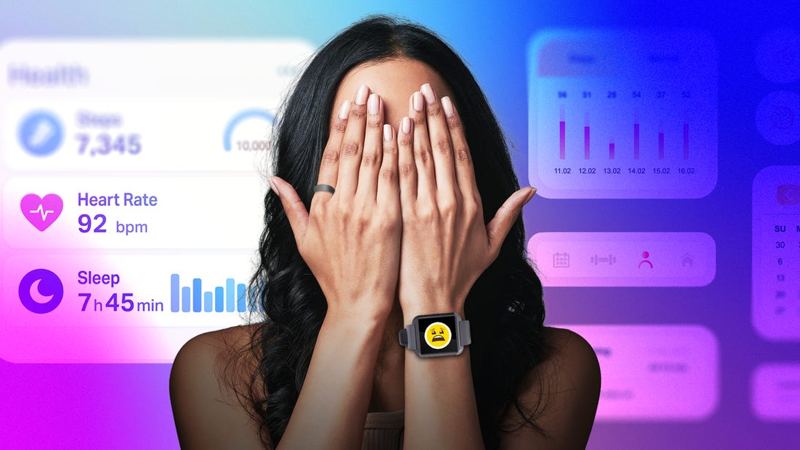
While smartwatches and fitness trackers offer health insights, doctors warn they can trigger or worsen anxiety, particularly health anxiety, in users who obsessively monitor their vitals. Dr. Lindsey Rosman, assistant professor of medicine at the University of North Carolina School of Medicine, notes that “whether 24/7 access to health information from a wearable actually helps or potentially harms people is really unclear.” A case report from her research found a patient who performed over 900 EKGs on her smartwatch in a single year, leading to multiple ER visits, spousal conflict, and the need for therapy. The patient had no psychiatric history prior to getting a smartwatch.
Experts recommend several strategies to manage wearable-related anxiety. First, turn off or customize health alerts that trigger stress, especially for people with pre-existing conditions like atrial fibrillation. Second, avoid compulsively checking devices—a 2024 study found about half of AFib patients were checking their heart rate daily out of habit rather than symptoms. Compulsive checking can become negative reinforcement, further propelling anxiety. Third, focus on long-term trends rather than individual metrics; looking at isolated data points can cause unnecessary panic.
Importantly, consumer wearables were originally developed as personal wellness devices and are not required to demonstrate safety and efficacy like traditional medical devices. While some now have FDA-cleared sensors for detecting irregular rhythms or sleep apnea, they cannot provide medical diagnoses or treatment. Stress and sleep scores, for example, haven’t been clinically validated and are more educated estimates than medical diagnoses. Dr. Karen Cassiday, author of “Freedom from Health Anxiety,” emphasizes that cognitive behavioral therapy is the gold standard for health anxiety treatment.
People who thrive with wearables use data as information rather than something to fear and avoid 24/7 surveillance. Those highly anxious about their heart, prone to obsessive symptom monitoring, or with unpredictable conditions like paroxysmal AFib should approach wearables with caution. If checking wearable data interrupts pleasurable activities or triggers anxiety, it’s time to either remove the device or seek professional help.
This article is an AI-assisted summary. All facts and figures are drawn from the original report: https://www.cnet.com/health/mental/doctors-explain-why-smartwatch-giving-you-anxiety-how-stop-it/