Wyoming lawmakers convened for two days of testimony to address what stakeholders described as an existential crisis for the state’s healthcare infrastructure. The Joint Labor, Health and Social Services Committee heard evidence of declining capacity in maternity care, behavioral health services, and overall provider availability as rural healthcare faces mounting pressures.
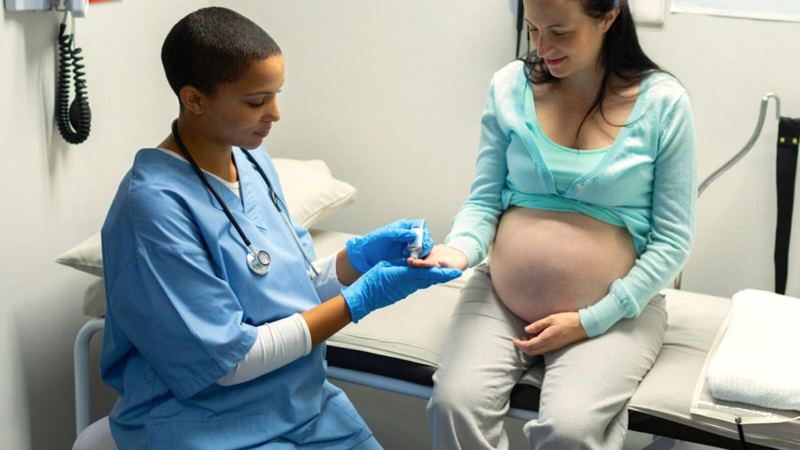
The most alarming issue is the rapid disappearance of maternity care. Since 2022, four hospitals—in Evanston, Rawlins, Kemmerer, and Wheatland—have closed their labor and delivery wards, leaving only 16 birthing hospitals to serve a 97,000-square-mile state. Franz Fuchs, deputy director of the Wyoming Department of Health, presented data showing these closures reflect “financial distress” and “load shedding” of unprofitable service lines. The average Medicaid reimbursement for a birth in Wyoming is approximately $7,500, while actual costs often near $20,000. Though the Legislature recently appropriated $17.1 million to increase Medicaid rates for hospitals offering these services, recruiting and retaining providers remains challenging. Dr. Susan Sheridan, an OB-GYN in Casper, reported her practice had six physicians a year-and-a-half ago and now has two, citing lack of tort reform as a primary deterrent: “My personal assets are at risk,” she noted.
Behavioral Health and Provider Pipeline Gaps
Behavioral health faces equally severe challenges. Every single Wyoming county is designated a professional shortage area. Marianne Gibson of Inseparable, a national mental health advocacy organization, emphasized the shortage stems from both a limited pipeline and payment/coverage issues. Wyoming has invested in the 988 suicide lifeline, with the in-state answer rate rising from 0% to 90%, and suicides declining in areas with greater coverage. However, the pipeline remains constrained. Wyoming lacks sufficient clinical training slots, forcing students to complete education elsewhere and often never return to practice in the state.
Public comment revealed systemic frustrations. Clark Fairbanks of the Wyoming Youth Services Association reported that licensure often takes “multiple months” due to the state’s “paper and pen” manual system. Staffing vacancies have persisted unfilled for two years at some facilities. The committee heard proposals to address shortages, including expanding pharmacist prescribing authority, delaying high school start times, and allowing internationally trained physicians to practice under supervision. The state also awaits federal approval for the Rural Health Transformation Program, which could provide between $800 million and $1 billion over five years to stabilize rural hospitals.
This article is an AI-assisted summary. All facts and figures are drawn from the original report: https://www.wyomingnews.com/news/local_news/wyomings-healthcare-struggles-explained-to-lawmakers/article_27a399cd-db30-499d-93c4-c1565dea5f02.html