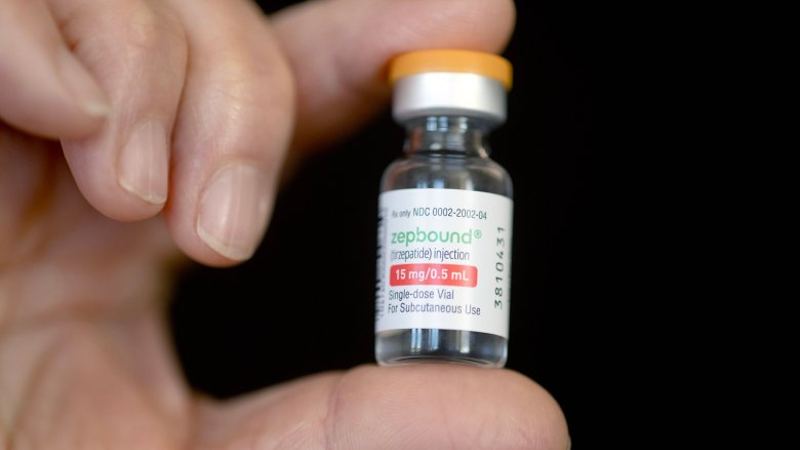
As demand for GLP-1 medications surges in Maine, insurance coverage continues to decline despite medical evidence supporting their use for obesity treatment. One in five adults in the U.S. have used a GLP-1 drug, yet fewer than 10% of employers in Maine cover them for weight loss, with major insurers like Anthem and Harvard Pilgrim excluding coverage from most plans offered in 2026.
The paradox reflects rising costs. Blue Cross spending on GLP-1 drugs doubled in one year, from $150 million to $300 million, according to Maine’s insurance superintendent. Per-employee-per-month spending on these medications increased 70% year-over-year from 2020-2024 for employers covering them for weight loss, while overall health insurance costs rose by 7-12% for those same employers. The medications cost more than $1,000 a month.
Patients like Tammie Rogers, 52, experienced significant health improvements on GLP-1s: after losing 40 pounds, her sleep apnea improved, back and hip pain subsided, and her anxiety about long-term health declined. But when her insurance dropped coverage in January, she could not afford to continue. Others resort to riskier alternatives—compound medications not approved by the FDA, or accessing them through less-regulated channels—because insurance coverage remains inaccessible.
Medical professionals argue obesity should receive coverage parity with other chronic diseases. The Maine Medical Association told state legislators it expects GLP-1s will ultimately reduce healthcare costs and improve public health. Dr. Rushika Conroy, medical director of obesity medicine at MaineHealth, stated the medications work by reducing the body’s biological resistance to weight loss, and must be paired with lifestyle changes. The state’s obesity rate has risen almost 300% since 1990, with about a third of Mainers now considered obese.
Employers and public agencies cite unsustainable costs. The city of Portland will save $850,000 by ending GLP-1 coverage for weight loss as of July 1, affecting about 80 of 1,400 employees. MaineCare, Maine’s Medicaid program, spent $42 million in the past year on GLP-1s and faced 25% year-over-year demand growth. State lawmakers rejected bills last year that would have required broader coverage. Experts predict costs will eventually decline and more research on long-term effects will emerge, but the timing remains uncertain.
This article is an AI-assisted summary. All facts and figures are drawn from the original report: https://www.pressherald.com/2026/05/14/as-glp-1-use-rises-in-maine-insurance-is-less-likely-to-cover-the-medications/