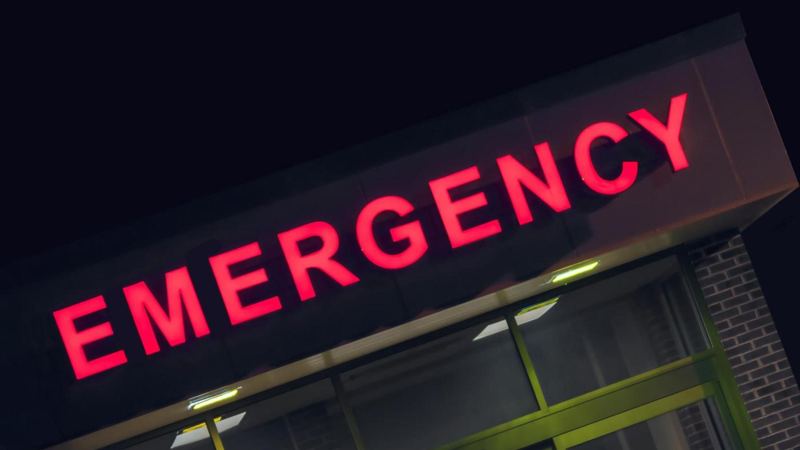
Emergency department boarding—the practice of keeping admitted patients on stretchers in hallways or curtained bays for hours or days while waiting for inpatient beds—has become what the Department of Health and Human Services calls “a public health crisis in the United States.” According to the HHS Agency for Healthcare Research and Quality, patients sick enough to require inpatient care can wait in the ED for hours, days, or even weeks. Research by Adrian Haimovich, an ED doctor at Boston’s Beth Israel Deaconess Medical Center, shows that boarding for more than 24 hours has increased dramatically for people 65 and older since the pandemic, though comprehensive national data collection only began when the Centers for Medicare & Medicaid Services finalized a rule in November requiring hospitals to track ED boarding times.
The practice creates significant harm. Boarding contributes to increased mortality, medical errors, prolonged hospital stays, and greater dissatisfaction with care. Patients exist in a gray zone where responsibility for care is unclear—some hospitals assign boarders to admitting teams while ED staff oversee others, leaving room for critical needs to fall through the cracks. In some EDs, routine boarding populations exceed the number of patients actively being evaluated. Staff shortages and inadequate accommodations compound the problem: boarders may lack access to proper nutrition, hygiene facilities, privacy for intimate procedures, or adequate pain management.
Financial Incentives Perpetuating the Crisis
The root cause lies not in inefficiency but in how hospital finances are structured. Hospitals now operate like airlines and intentionally overbook beds to maximize revenue. Elective admissions are prioritized because procedures like heart catheterizations and joint replacements are lucrative. Fewer beds than decades ago exist partly because nurse and executive salaries rose since the pandemic, making empty staffed beds a financial burden. Even patients boarding in the ED generate significant charges—thousands of dollars for evaluation plus inpatient rates—creating financial incentive to delay admissions. Older, sicker patients waiting for rehabilitation or hospice beds may linger for days or weeks, taking up valuable space without generating the revenue-producing interventions hospitals depend on.
The solution requires structural change. HHS proposed convening an expert panel to address boarding but staffing cuts at that agency have stalled progress. The Centers for Medicare & Medicaid Services initiated voluntary reporting of boarding times beginning in 2027, becoming mandatory in 2028, with poor performance eventually affecting Medicare reimbursement—the first accountability mechanism in place.
This article is an AI-assisted summary. All facts and figures are drawn from the original report: https://www.troyrecord.com/2026/05/09/emergency-department-boarding/