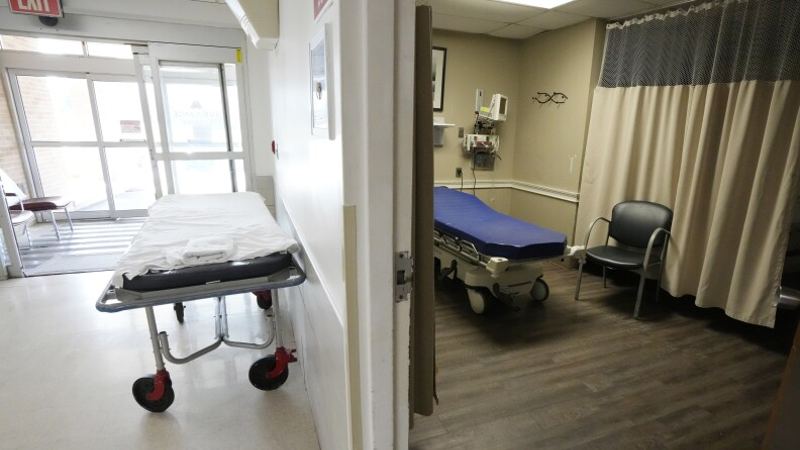
Pennsylvania has received $193 million from the first of five funding rounds under the Rural Health Transformation Plan to offset $20 billion in Medicaid dollars the state is expected to lose between 2028 and 2038. With a tight deadline of October 30, 2026 to commit funds, the commonwealth is prioritizing stabilization efforts, regional committees, and narrowly defined projects rather than broad expansion.
State leaders are focusing some funds on a public awareness campaign for 988, the mental health crisis hotline, and a pilot program adding car seats for parents using transportation services to access medical appointments. According to state Secretary of Human Services Val Arkoosh, the car seat program addresses a major barrier families face in reaching doctor visits. The Centers for Medicare and Medicaid Services imposed constraints on funding allocation, including caps on electronic health records spending.
Expanding EMS and Behavioral Health
Emergency medical services are positioned as a critical entry point for rural healthcare. According to Dr. Alvin Wang, Montgomery County’s Chief Medical Officer and Regional EMS Medical Director, “EMS is not just the front line of rural health care. It’s often the lowest barrier, front-door entry into the health care system.” Mobile integrated health programs can expand EMS roles beyond transportation to include home assessments, chronic disease management, and substance use treatment. In Washington’s North Mason County, such a program reduced emergency calls by 10% and saved the local hospital system an estimated $12 million.
School-Based Health Centers
School-based health centers emerged as a potential investment opportunity, though they are not mentioned in the state’s official plan. Researchers found that students in rural New York counties benefited from such centers, missing less school and staying current with vaccinations. Seven states included school-based centers in their federal rural health plans, but Pennsylvania is one of only three states among two dozen with such organizations that lacks state funding. The model addresses rural provider shortages and transportation barriers while leveraging schools as stable community institutions.
This article is an AI-assisted summary. All facts and figures are drawn from the original report: https://www.wesa.fm/health-science-tech/2026-05-08/pennsylvania-rural-health-funds-what-comes-next