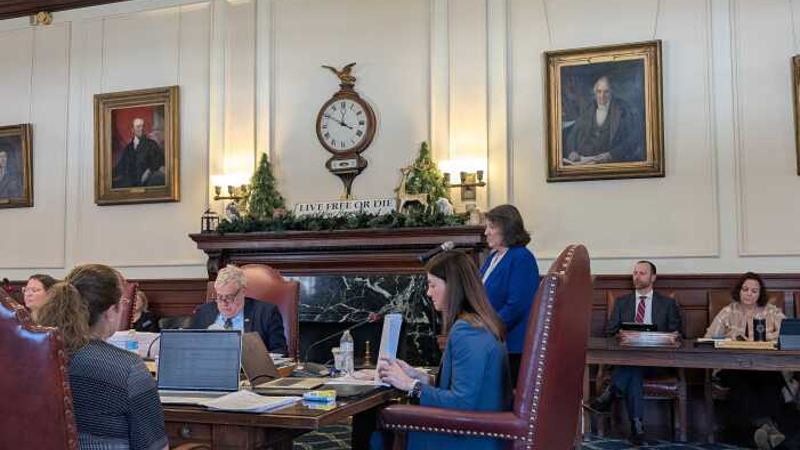
New Hampshire will distribute roughly 200 million dollars in federal funding this year toward rural healthcare needs through the Rural Health Transformation Program, part of the federal spending bill signed into law by President Trump last year. Over five years, the state expects to receive a total of 1 billion dollars. The 50 billion dollar fund distributed to all states for healthcare was created to compensate for deep cuts to Medicaid and other federal health spending.
Core Healthcare Challenges
The top priority is getting “arms around what our core issues are and how we can sustainably transform health care, particularly in the rural areas.” The core challenges include a system designed to treat illness rather than keep people well, fragmented services, limited support for daily life needs, and volume-based rather than value-based care. The state faces workforce shortages particularly in rural areas or areas bordering other states with competition, financial pressures on providers, access challenges in rural communities, and the rising burden of behavioral health and chronic disease.
Strategic Approach
The state’s approach involves four key components: stabilize, strengthen, transform, and sustain. This includes different billing models allowing certified behavioral health centers to bill differently than today, building capacity for workforce development through all funding streams, and taking different approaches such as mobile access and telehealth. The community college system of New Hampshire is building capacity, with Manchester adding two new faculty to their nursing program. UNH doubled their enrollment and had to stop taking in new nursing students. The governor’s award program covers the cost of tuition for students committing to five years in areas needing more workforce.
Sustainability Planning
Success is being measured through state-set goals and milestones approved by CMS, with the state knowing success when “people are staying healthier longer, when we have avoidable ED visits and hospitalizations, when providers are more stable, when we have more of them, when communities can feel that difference.” As healthcare systems demonstrate solutions like different billing models for behavioral health centers and programs addressing food security for medicine, they can maintain funding long-term. When grant funding wraps up in 2030, the plan involves finding ways to maintain funding through changed care dynamics that keep people healthier and therefore cost less.
This article is an AI-assisted summary. All facts and figures are drawn from the original report: https://www.nhpr.org/nh-news/2026-05-08/go-north-director-rural-health-priorities-success-medicaid-loss