Financially vulnerable hospitals across the country are lobbying state legislatures for help as federal Medicaid cuts loom. The Republican budget measure known as the One Big Beautiful Bill Act, signed into law by President Donald Trump last July, is expected to cut federal Medicaid spending by $911 billion over 10 years and could contribute to an increase of more than 14 million uninsured people.
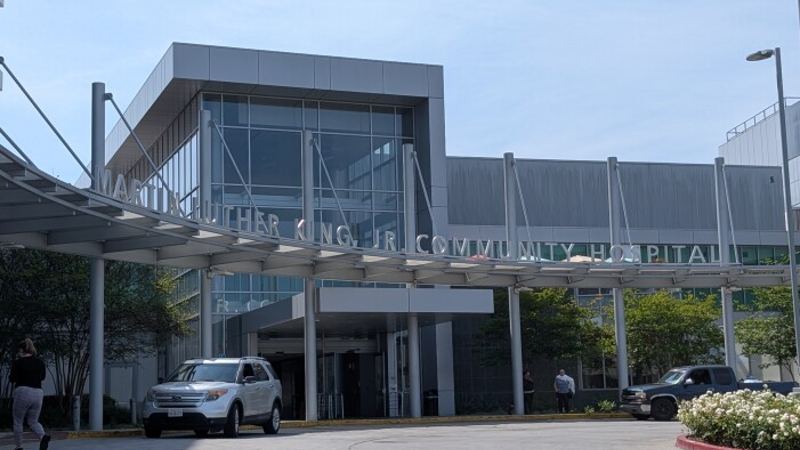
Martin Luther King, Jr. Community Hospital in Los Angeles, serving a predominantly Latino and Black neighborhood, exemplifies the crisis. The 152-bed hospital’s patient care revenue is three-quarters dependent on Medi-Cal, California’s Medicaid program, which pays low rates. The hospital’s leadership projects an annual revenue hole of $80 million to $100 million—its largest budget gap since opening in 2015. CEO Elaine Batchlor stated, “Even if we cut services that our community needs—maternity care, behavioral healthcare, diabetes management—it wouldn’t make a significant dent in the gap we’re facing.”
In response, states are proposing targeted assistance. In California, Assembly member Esmeralda Soria, a Democrat, is pushing legislation to expand a 2023 “distressed hospital loan fund” that allocated nearly $300 million in zero-interest loans to 16 hospitals. The state would provide another $300 million under Soria’s bill. Pennsylvania is weighing a $100 million “distressed hospital grant” program, and Illinois is considering an $85 million loan program for troubled hospitals.
The original $300 million California fund showed measurable results. The average operating margin of the 15 loan recipients for which comparable data was available shifted from a loss of 15.4% the year before the program to a gain of 2.3% after funding. However, fiscal constraints and uncertainty about whether these loans will become grants complicates expansion efforts. Democratic Gov. Gavin Newsom recently warned lawmakers to expect more cuts in his revised budget. Federal law does include a special rural healthcare fund totaling $50 billion over five years, but that is far less than the $137 billion expected to be cut from rural health spending over the next decade, and it does little to help financially struggling urban hospitals.
This article is an AI-assisted summary. All facts and figures are drawn from the original report: https://laist.com/news/health/distressed-hospitals-lobby-states-for-help-as-federal-medicaid-cuts-loom