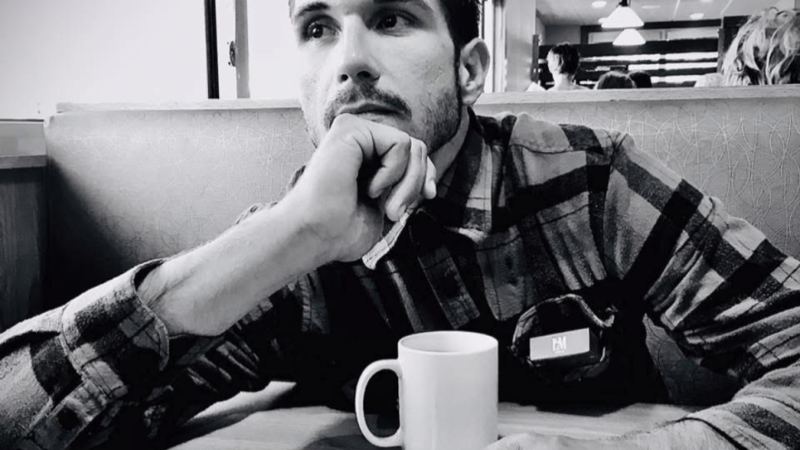
Tamara Patzer’s efforts to get mental health support for her son, Richard Freshwater, have repeatedly resulted in his arrest instead of treatment. On April 11, Patzer realized her son was experiencing a delusional episode while visiting him at his home in Port Charlotte. She called IRIS (Integrated Response for Intervention and Support), a Charlotte County mental health intervention team, but Freshwater was arrested on an outstanding warrant from Sarasota County and is now held in the Sarasota County Jail without access to prescribed medications for his mental condition. Online court records show Freshwater, 36, has been involved in more than two dozen criminal cases in Sarasota and Charlotte counties, including felonies, misdemeanors, and infractions—most stemming from his mental health issues.
Freshwater was diagnosed with bipolar disorder last year, though Patzer says his struggles began decades earlier. He experiences delusional episodes in which he believes untrue scenarios, such as receiving large sums of money or that loved ones have been replaced with artificial intelligence. He has been self-medicating with marijuana and other substances since age 12 or 13. In March, authorities charged him with possessing a firearm while a felon and during an active domestic violence injunction, after he operated under the delusion that a new driver’s license gave him a fresh start legally. In April, he was arrested for petty theft and resisting an officer after allegedly stealing three THC cartridge vapes from a Port Charlotte marijuana dispensary, thinking they were a gift.
Despite Florida’s passage of the Tristin Murphy Act last year, designed to create mental health diversion pathways and keep people with mental illness out of the justice system, critics argue the law lacks accountability mechanisms. The act is named after Tristin Murphy, who died by suicide in 2021 while serving three years in a Florida prison for rolling his pickup truck into a retention pond. The law offers grant opportunities for specialized mental health training and diversion programs but does not require counties to implement them. According to criminal justice professionals, mental health crises continue to escalate into criminal charges when law enforcement responds to Baker Act situations, with individuals often facing felony charges for resistance when frightened or confused.
Freshwater has maintained connections to his family and community despite his struggles. He has a 4-year-old daughter living with Patzer, visits every weekend when not in custody, and has completed more than 100 hours of parenting classes while incarcerated. He purchased his first home in 2021 and previously attended Charlotte Technical College to pursue his goal of becoming an airplane mechanic before missing classes due to a bipolar episode.
This article is an AI-assisted summary. All facts and figures are drawn from the original report: https://www.wgcu.org/human-interest/2026-05-01/florida-promised-mental-health-reform-this-family-says-the-system-still-failed