New research suggests that lifestyle modifications, particularly increased physical activity combined with stress management and dietary improvements, may ease or even reverse symptoms of Parkinson’s disease. Affecting approximately 1.1 million Americans and 10 million people worldwide, Parkinson’s disease is the second most common neurodegenerative disease after Alzheimer’s and the fastest-growing neurodegenerative disorder globally.
The disease stems from abnormal accumulation of a protein called alpha-synuclein in the brain. Though alpha-synuclein is necessary for brain function, it can clump into deposits known as Lewy bodies, which over time damage the brain. Clinical presentation typically begins with resting tremors, slowed movement, or rigidity, followed by gait instability. Nonmotor symptoms such as sleep disturbance, loss of smell, and constipation can precede motor symptoms by several years. Unfortunately, diagnosis is typically made only after motor symptoms appear, at which point more than half of dopaminergic neurons may already be lost.
Chronic stress is linked to increased neuronal damage and elevated alpha-synuclein levels in the brain. Several mind-body exercises have been designed to manage and reduce stress. Randomized controlled trials have found that mindfulness and yoga are effective at reducing stress among older populations and can notably reduce symptoms of anxiety and depression in Parkinson’s patients. Some small trials suggest mindfulness-based interventions and yoga may reduce motor symptoms.
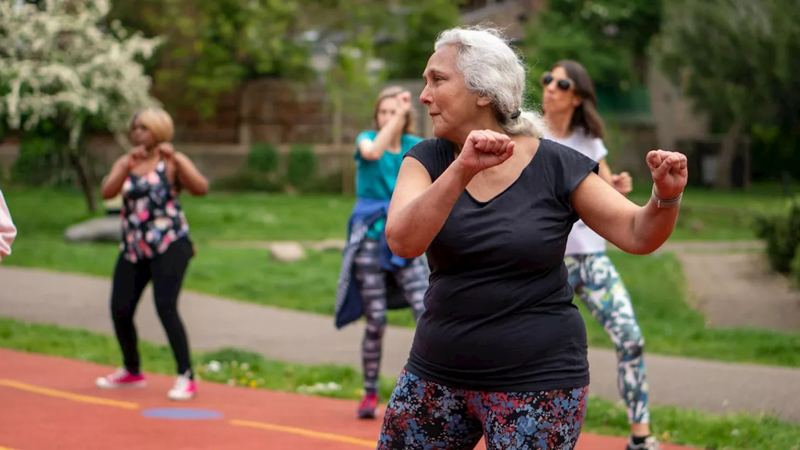
A review found that high-intensity aerobic exercise was found to stabilize motor symptoms over six months, while brisk walking helped with motor symptoms, functional mobility, and balance. High-intensity interval training and resistance training have also been shown to improve functional mobility, balance, and motor symptoms. A study of ten participants found that high-intensity aerobic exercise may even preserve dopamine-producing neurons and begin to repair these brain cells.
While research on specific diets remains mixed, the ketogenic diet has shown positive effects on inflammatory markers, dopamine activity, and motor functioning, though results have not been totally replicated in humans. A Mediterranean-style diet has been associated with gastrointestinal benefits in Parkinson’s patients. Physical activity can additionally promote socialization, particularly if patients join community-based groups, and having that sense of community may be protective. These nonpharmacological interventions may have synergistic benefits that improve symptoms while providing neuroprotective effects.
This article is an AI-assisted summary. All facts and figures are drawn from the original report: https://us.headtopics.com/news/how-lifestyle-changes-can-help-treat-parkinson-s-disease-82551975