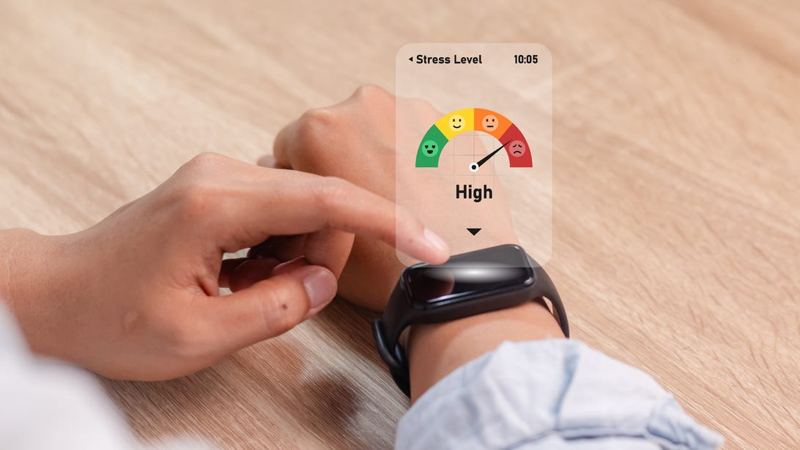
Smartwatches and other health-monitoring wearables can trigger health anxiety in some users. Also known as hypochondria or illness anxiety disorder, this type of anxiety makes people worry they are or may become ill even when they’re healthy. While these devices can help people learn more about their bodies, careful use is necessary to avoid triggering anxiety.
Turning Off Alerts and Avoiding Compulsion
Dr. Lindsey Rosman, assistant professor of medicine at the University of North Carolina School of Medicine, has observed clinically that it can be beneficial to either scale back or turn off the features that make users anxious. This can be especially helpful for people with pre-existing conditions already being treated, such as atrial fibrillation (AFib, an irregular heartbeat), where a wearable’s irregular heart rhythm notifications only make anxiety worse and can prompt unnecessary doctor visits. Rosman published a case report on a patient who performed over 900 EKGs on her smartwatch in a single year. While most were normal, inconclusive alerts fueled her anxiety, leading to multiple ER visits, spousal conflict and the need for therapy to reclaim her daily life. Most wearable health features can be turned off completely or customized.
Focus on Trends, Not Individual Metrics
Experts emphasize the importance of tracking trends rather than individual metrics. Looking at long-term trends rather than isolated metrics helps users maintain a balanced relationship with their data. Tags lets you tag lifestyle factors such as travel, alcohol, meditation or late meals, which you can then view in Trends to see how your behavior affects recovery and sleep over weeks, rather than looking at a single score that may one day seem abnormal.
When to Seek Help
If you find yourself interrupting pleasurable activities to check your wearable, or if you feel anxious about not checking, you have a problem. If you only feel at peace after a wearable reassures you that you’re in good health, it’s time to get professional support. Cognitive behavioral therapy is the gold standard for care of health anxiety. People need to learn that all the vague symptoms that trigger their health anxiety are just normal variations of normal body functioning and aging.
This article is an AI-assisted summary. All facts and figures are drawn from the original report: https://www.cnet.com/health/mental/smartwatch-gives-me-health-anxiety-experts-explain-how-stop/