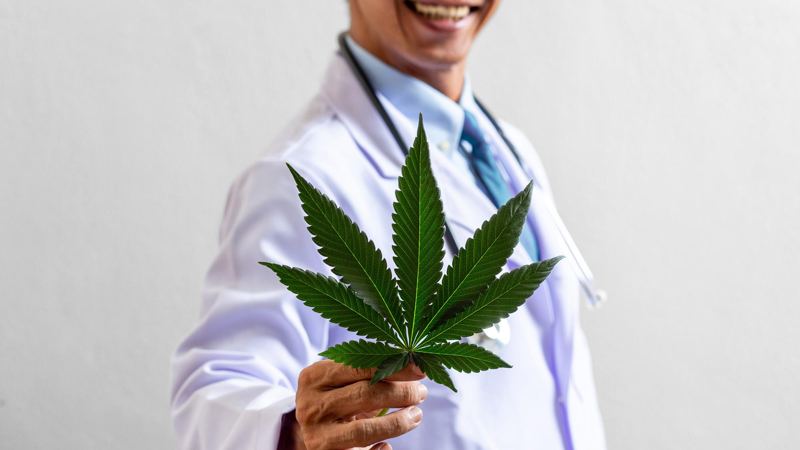
A sweeping new analysis published in The Lancet Psychiatry challenges one of the fastest-growing trends in modern medicine: the use of cannabis-based treatments for mental health. After reviewing vast clinical evidence, researchers found no reliable support for using medicinal cannabis to treat anxiety, depression, or post-traumatic stress disorder (PTSD), despite rapid increases in cannabinoid prescriptions—particularly in Australia, where approvals have surpassed one million.
Dr. Jack Wilson of the University of Sydney’s Matilda Centre, who led the study, warned that “the routine use of medicinal cannabis could be doing more harm than good by worsening mental health outcomes, for example, a greater risk of psychotic symptoms and developing cannabis use disorder, and delaying the use of more effective treatments.” The analysis of more than 700,000 Australians using medicinal cannabis to manage over 250 conditions found limited evidence for benefits in cannabis use disorder, autism, insomnia, and tics or Tourette’s syndrome—but overall evidence quality for these conditions was low.
The review did identify evidence supporting medicinal cannabis for reducing seizures in certain forms of epilepsy, spasticity in multiple sclerosis, and managing certain types of pain. However, the evidence for mental health disorders fell short. While cannabis may help reduce cannabis dependence when given alongside psychological therapy, it increased cocaine cravings in people with cocaine-use disorder. The Therapeutic Goods Administration launched a review of medicinal cannabis regulation, receiving over 500 submissions. Dr. Wilson emphasized the study “provides a comprehensive and independent assessment of the benefits and risks of cannabis medicines” to support evidence-based decisions.
This article is an AI-assisted summary. All facts and figures are drawn from the original report: https://scitechdaily.com/largest-ever-study-finds-medicinal-cannabis-ineffective-for-anxiety-depression-ptsd/