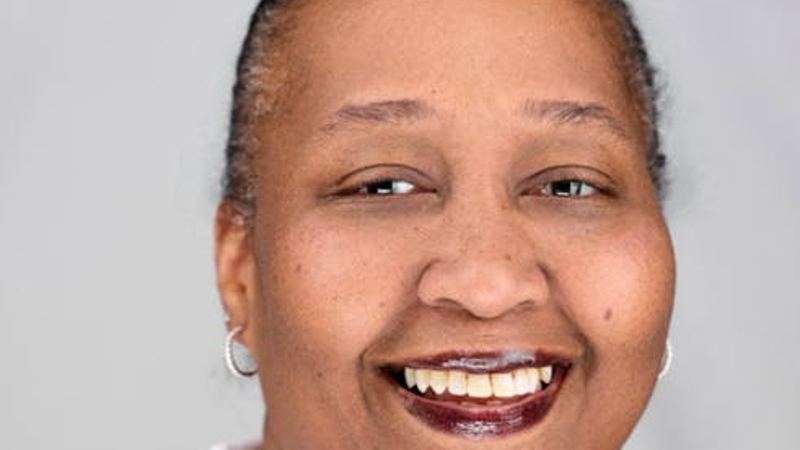
April 11 to 17 marks Black Maternal Healthcare Week, an annual campaign founded by the Black Mamas Matter Alliance to advocate for Black mothers and raise awareness of health challenges they face. During this time, Dr. Damali Campbell-Oparaji, chief and associate professor in the Department of Obstetrics, Gynecology and Reproductive Health Division at Rutgers New Jersey Medical School, is addressing disparities in Black maternal deaths.
In 2023, Black mothers suffered 50.3 maternal deaths per 100,000 children born—more than three times as many deaths as white counterparts. Black maternal deaths were the only demographic to see an increase in deaths from 2022, while all others saw decreases.
Historical Context and Research Barriers
Campbell explained that inequities in maternal healthcare research for Black women stem from lower representation of Black patients in research studies. These inequities likely originate from historical trauma Black patients experienced with past research. Campbell cited the Untreated Syphilis Study at Tuskegee and experimentation on enslaved Black women Anarcha, Lucy, and Betsey in the 19th century as examples. This history may discourage Black individuals from participating in studies today. Despite institutional review boards and safeguards, Campbell noted that “with those historical traumas, oftentimes it can be a lot harder to recruit patients of color into research studies.”
Policy and Practical Solutions
Campbell’s research examines doulas acting as “patient navigators” to educate patients about pregnancies and connect them with resources. Doulas face severe workforce shortages despite their importance. Increasing career awareness and making the position more attractive can help address the shortage.
Key legislation cited includes extending Medicaid coverage for patients a year after birth—previously coverage expired six weeks postpartum. Another milestone made doulas Medicaid providers, opening emotional support to patients unable to afford $2,000-$3,000 out of pocket.
Campbell proposed additional legislation to eliminate double deductible payments for pregnancies spanning calendar years and to ensure insurance coverage includes ancillary maternal health services such as mental health and lactation services.
Individual Actions
Campbell advised Black mothers to stay informed, ask questions, and know their health information including blood pressure and weight. She also emphasized staying hydrated, exercising, and maintaining healthy diets during pregnancy, while noting that community support—offering meals and helping with chores—significantly impacts maternal health outcomes.
This article is an AI-assisted summary. All facts and figures are drawn from the original report: https://www.dailytargum.com/article/u-associate-professor-addresses-death-disparities-during-black-maternal-healthcare-week-20260415