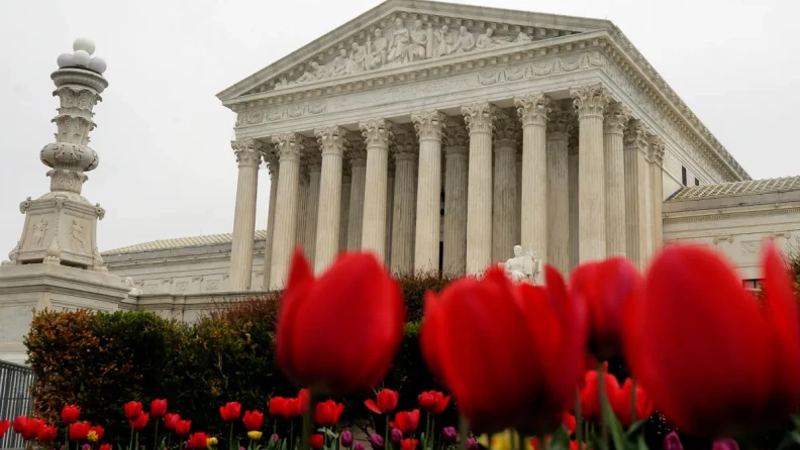
California lawmakers are advancing a new strategy to protect LGBTQ youth from conversion therapy after the U.S. Supreme Court struck down a Colorado law banning the practice. The strategy centers on extending the statute of limitations for medical malpractice claims against mental health professionals who attempt to change a person’s sexual orientation or gender identity.
A bill introduced by Senator Scott Wiener (D-San Francisco) would increase the time period during which someone could file a malpractice suit against a mental health professional for conversion therapy harm. Depending on the age of the person filing the claim, the bill would increase the statute of limitations from three years to 22 years or within five years of discovering the harm. The California Senate Judiciary Committee voted 10-to-2 to advance the legislation along party lines.
Wiener has likened this approach to a similar legislative move extending the statute of limitations for victims of child sexual assault. According to the bill’s supporters, virtually all major medical associations have disavowed conversion therapy, so attempting it would still constitute malpractice even if state bans are no longer in effect.
The Supreme Court’s recent decision, issued in an 8-to-1 opinion, sided with a Christian therapist arguing that Colorado’s conversion therapy ban violated her free speech rights. Justice Neil Gorsuch implied that Colorado’s ban would fail the “strict scrutiny” test required of laws regulating speech. However, Gorsuch differentiated malpractice laws from bans, noting that malpractice laws allow “breathing room for protected speech.”
Conversion therapy is rooted in the now-debunked theory that homosexuality was a mental illness. Studies link it to increased depression and suicidality, and no credible evidence shows it works. The harm often goes unrecognized for years. According to the article, many LGBTQ individuals do not realize the harm until years later, well past existing statute of limitations, and one attorney noted that “almost every time someone comes to us realizing it is not their fault, it’s too late.”
Opponents argue the measure would effectively suppress speech by threatening financial ruin. Christian groups and conservative organizations have expressed concerns about the legislation.
This article is an AI-assisted summary. All facts and figures are drawn from the original report: https://laist.com/news/health/can-medical-malpractice-lawsuits-protect-lgbtq-youth-from-conversion-therapy