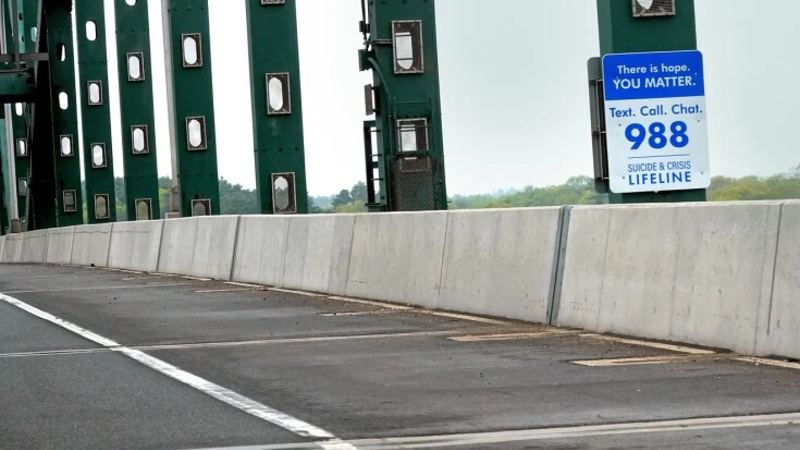
A feasibility study has recommended wire net and rod fencing systems for potential installation on the Piscataqua River Bridge connecting Maine and New Hampshire, as a measure to reduce deaths by suicide on the Interstate 95 span. Stantec, an engineering consultant, completed the suicide barrier feasibility study at the request of elected, safety, and transportation officials from both states. The study was initiated following multiple deaths by suicide in spring 2025, including two deaths on the Piscataqua River Bridge itself.
Study Recommendations and Next Steps
According to Stantec’s mid-March report, “Subsequent phases of the project will refine the selected alternatives through detailed analysis, wind load testing, and full construction documentation, ensuring a solution that enhances safety, preserves aesthetics, and maintains the long-term integrity and operational classification of this critical transportation link between New Hampshire and Maine.” Phase 2 of the project will determine whether the evaluated alternatives are feasible without requiring major structural upgrades or reducing the bridge’s service life.
Joint State Review
No decisions have yet been made on implementation of a deterrent system, as Maine and New Hampshire are continuing their joint review of the recommendations. The project is being led by the respective departments of transportation from both states. According to Stantec, the timeline for moving forward “assumes construction sequence and funding have been identified.”
This article is an AI-assisted summary. All facts and figures are drawn from the original report: https://www.nhpr.org/nh-news/2026-04-09/suicide-barrier-recommended-i-95-bridge-portsmouth