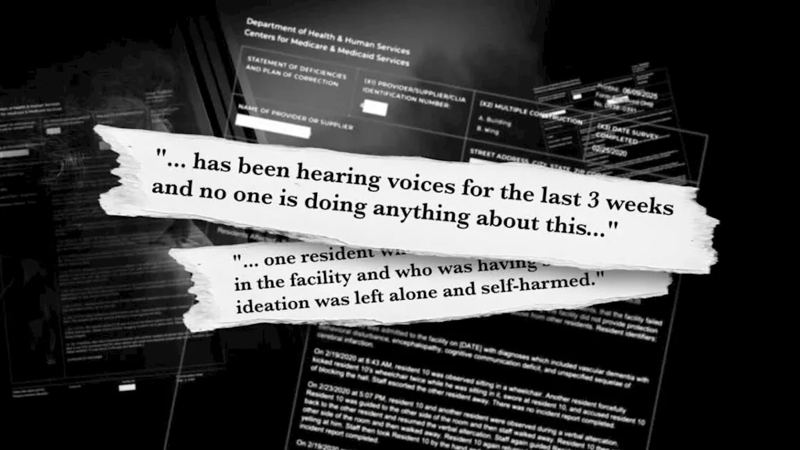
Utah nursing homes are struggling to adequately address residents’ mental health needs, according to a review of federal inspection reports by FOX 13 News. The investigation identified at least 18 incidents since 2019 where Utah facilities were cited for failing to provide behavioral health support to patients who attempted suicide, expressed thoughts of suicidal ideation, or engaged in self-harm. Federal regulations require nursing homes to provide behavioral health services to patients who need them, yet many facilities lack the resources and expertise to do so effectively.
Scope of Mental Health Challenges
A 2010 study published by the National Institutes of Health estimated that between 65% and 91% of nursing home residents have some type of mental disorder, with research indicating that the number with serious mental illness has been increasing. Research shows suicide risk “increases substantially after age 65,” particularly among men, with White males 85 and older having the highest rate of suicide of any demographic. Despite the prevalence of mental health issues, experts say nursing homes were never designed to handle mental health at this scale. Anne Asman, a gerontologist and program manager for the Geriatric Psychiatry Clinic at the University of Utah, noted: “I see missed opportunities all the time. Many facilities don’t employ a mental health professional, and without proper training, other staff may miss important warning signs.”
Systemic Barriers and Historical Context
The de-institutionalization movement in the 1960s and 1970s led many people with mental health needs to be transferred from state-operated psychiatric hospitals into nursing homes, making these facilities the “de facto destination for individuals with mental illness.” While psychiatric hospital populations decreased about 40%, nursing home populations grew by more than 100% during that time. Experts point to a broader lack of community-based mental health infrastructure as a root cause. According to Nate Crippes, an attorney with the Disability Law Center of Utah, “older adults with a primary diagnosis of mental illness probably shouldn’t be in a nursing home, but they are often placed there because our mental health system really doesn’t exist.”
Steps Toward Improvement
Lack of mental health resources is one of the top complaints the state of Utah’s Long-Term Care Ombudsman receives, according to program manager Alianne Sipes. In response, several nursing homes have begun contracting with private therapy companies. The Centers for Medicare & Medicaid Services has been strengthening behavioral health requirements, and the federal government developed a three-year initiative to provide training on mental health and substance use. Lori Smetanka, executive director of the National Consumer Voice for Quality Long-Term Care, emphasizes that “improved training is one of the most important ways to ensure resident needs are appropriately addressed moving forward. In many facilities, the staff are not adequately trained to not only address mental health needs but also to identify them.”
This article is an AI-assisted summary. All facts and figures are drawn from the original report: https://us.headtopics.com/news/more-psych-than-we-can-handle-utah-nursing-homes-81418706