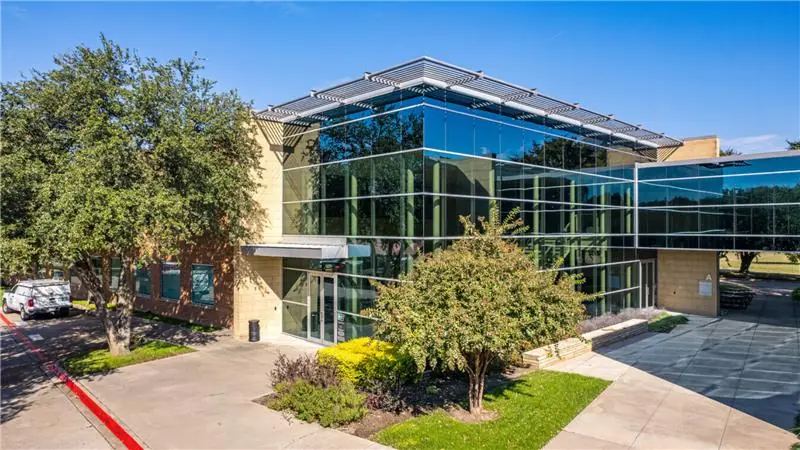
Jewish Family Services of Dallas is expanding its behavioral health and medical offerings with a new facility in Addison. The 100,000-square-foot space, opening later this month, represents a significant shift for the nonprofit, which spent most of its 75-year history focused on social and mental health services before launching a healthcare initiative during the COVID-19 pandemic.
From Social Services to Healthcare
The organization opened its first medical clinic on Greenville Avenue and is now doubling down on integrated care. According to CEO Cathy Barker, the concept for expansion dates back to 2016, though construction and planning took nearly two years to complete. The new facility will house a second medical clinic, an expanded food pantry, and a sensory gym for children with special needs, alongside existing behavioral health counseling, older adult services, career training, and administrative offices under one roof.
Research-Driven Expansion
The decision to add medical services stemmed from community research. A board member donated $100,000 to study the potential benefits, leading to a community health needs assessment in North Dallas. According to the findings, less than 5 percent of the uninsured or underinsured population had access to a community health center. A second study of JFS’s more than 22,000 clients found that among those using the food pantry and mental health services, those who said they would use additional medical services indicated strong confidence based on past experiences. Projections suggested the initial clinic could serve more than 38,000 individuals within five years.
Funding Model Makes the Difference
A key to sustainability is JFS’s federally qualified health center (FQHC) designation, which changes the reimbursement structure significantly. Barker explained the financial impact: “As a mental health provider, I’ll get $60 for a therapy visit. As an FQHC, I’ll get $200 for every therapy visit, and now for every medical visit.” This differential enables the organization to support uncompensated care including its food pantry, job programs, and ESL classes. FQHCs receive direct funding under the Public Health Service Act from the Health Resources and Services Administration, with Medicaid reimbursement as the largest funding source, followed by Medicare and commercial insurance.
This article is an AI-assisted summary. All facts and figures are drawn from the original report: https://www.dmagazine.com/healthcare-business/2026/03/jewish-family-services-of-dallas-to-unveil-40-million-healthcare-facility-in-addison/