Maine’s two legislators representing different political parties—Anne Graham (D-North Yarmouth) and Lucien Daigle (R-Fort Kent)—are advocating for full funding of Certified Community Behavioral Health Clinics through legislation designated LD 721. These clinics are designed to provide the behavioral health equivalent of community health centers, ensuring anyone who enters can receive comprehensive mental health and substance use treatment regardless of ability to pay.
Early Results and Workforce Impact
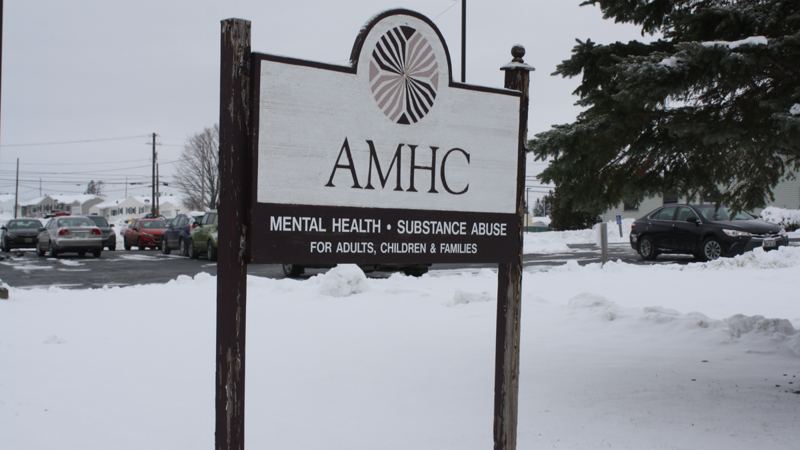
Maine currently has five approved CCBHC providers serving communities across the state, including Aroostook Mental Health Center, which delivers vital care across large rural regions of northern and eastern Maine. Early results from Maine’s CCBHCs are encouraging, with clinics expanding access to care and strengthening the workforce needed to deliver services. Every CCBHC in Maine has started to hire or transition staff and create new positions, helping address workforce shortages that have long limited behavioral health services and created lengthy waitlists.
Expanded Access and Service Scope
National data show that CCBHCs expand access by an average of 33%, with some of the most significant gains among children, individuals without insurance, and those who previously had no outpatient care. Maine’s CCBHCs have reported increases in the number of children they serve, with many delivering services directly in schools or youth-focused settings. The clinics are also meaningfully expanding access to treatment for substance use disorders and strengthening crisis response services through partnerships with community providers and the 988 Suicide and Crisis Lifeline.
Funding Gap
To fully realize these benefits, Maine must support the full implementation of CCBHCs through LD 721, which would provide targeted funding to support Maine’s five approved CCBHCs, including hiring clinicians and support staff needed to deliver the model as intended. Without this investment, clinics will struggle to recruit the full workforce required to expand services and meet growing demand. As federal policy changes take effect, Maine anticipates an increase in the number of uninsured individuals seeking care, and CCBHCs are specifically designed to meet this need by serving anyone who walks through their doors regardless of insurance status.
This article is an AI-assisted summary. All facts and figures are drawn from the original report: https://www.bangordailynews.com/2026/03/19/opinion/opinion-contributor/lawmakers-should-strengthen-maines-behavioral-health-safety-net-joam40zk0w/