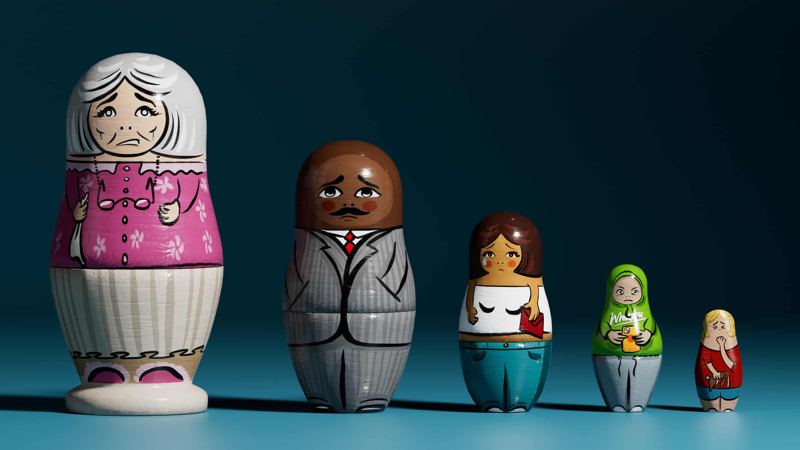
Anxiety is increasingly prevalent across all age groups. A survey by the Mental Health Foundation found that one in five people in the UK experience anxiety all or most of the time, while 500 children a day were being referred for NHS anxiety treatment in England in 2024. Psychotherapist Owen O’Kane explains that anxiety stems from an “intolerance of uncertainty,” and while anxiety serves as a protective fight-flight-freeze response, some people develop a dysfunctional relationship with it and exist “in a heightened state of alarm and vigilance all of the time.” Counselling psychologist Dr. Sian Williams notes that “fighting or avoiding anxiety not only doesn’t make it go away, but makes it worse,” requiring instead a different approach to living with it constructively.
Anxiety Across Life Stages
Childhood and adolescence. Clinical psychologist Dr. Meredith Elkins emphasizes that anxiety in children is normal, particularly during transitions, and that families should avoid communicating concern about anxious feelings, which can intensify anxiety. Parents should validate feelings while resisting the urge to avoid anxiety-triggering situations, as avoidance prevents the exposure needed for learning. Anxiety warrants clinical attention if it causes interference with daily activities, produces disproportionate distress, or persists for several weeks or months. For adolescents, normalizing emotions and modeling how to handle distress helps teens see anxiety as manageable rather than part of their identity. Social media can amplify teenage anxiety; if it increases distress, parents may need to limit use.
Early adulthood. California-based clinical psychologist Dr. Lauren Cook identifies millennials, gen Z, and gen Alpha as “Generation Anxiety,” having grown up with constant negative news feeds. Young adults face economic pressures around housing and autonomy-related lifestyle choices that may increase anxiety. Cook recommends moving the body for 20 minutes daily, getting sunshine, and exploring yoga, meditation, or mindfulness. Connection is crucial—initiating social interaction without phones reduces anxiety, as even having a phone on the table spikes cortisol.
Middle age. Being in the “sandwich generation,” simultaneously caring for children and aging parents, creates stress. Women in perimenopause experience heightened mental health vulnerability; while hormone replacement therapy (HRT) alleviates hot flushes and related anxiety, cognitive behavioral therapy (CBT) can help manage symptoms when HRT is not suitable. Men may experience role confusion as testosterone decreases. Prioritizing friendships, accessing early-morning light, green spaces, and engaging in breathwork all support wellbeing. Cold water therapy, according to psychotherapist Julia Samuel, can interrupt anxiety spirals by triggering a system shift.
Older age. Health anxiety and fear of cognitive decline become increasingly common. Psychological therapies like CBT are effective but may face barriers due to cultural taboos around discussing mental health. However, anxiety in older people is “fairly straightforward to treat” through psychological therapies, with weaker evidence for medication. Accessing meaningful activities and leveraging previous strengths can help overcome avoidance.
This article is an AI-assisted summary. All facts and figures are drawn from the original report: https://www.theguardian.com/lifeandstyle/2026/mar/15/how-to-handle-anxiety-at-every-age