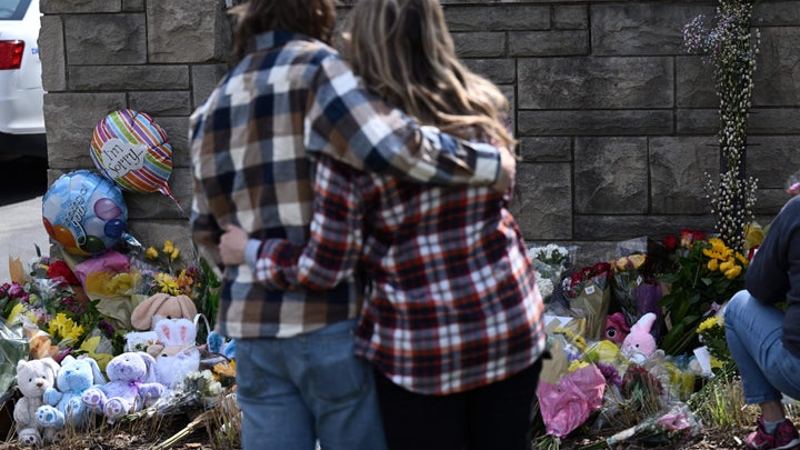
As of March 12, there have been 65 mass shootings in the United States, according to the Gun Violence Archive. The country has a “26 times higher gun homicide rate than any peer nation,” according to Shannon Watts, founder of Moms Demand Action, a grassroots organization fighting for stronger gun laws. Though mass shootings dominate headlines, they represent just 1% of the gun violence occurring in the country, with 120 Americans killed each day from guns and an additional 200 injured daily, according to research from Everytown for Gun Safety.
Channel Anger Into Consistent Action
Adam Garber, executive director of CeaseFire PA, emphasizes that sustained engagement matters more than immediate post-tragedy responses. “The frustration, the anger, the fear that they’re feeling that their kids’ school could be next, to hold on to it, as hard as it is, and channel it into pushing for lifesaving laws at the state level right now,” Garber told HuffPost. Legislators need to hear from constituents consistently—“over the next 10 months, year, two years”—not just in the days following a shooting. Watts notes that “the system is set up for incrementalism,” meaning large-scale change requires sustained grassroots work, including “every call, every email, every conversation.”
Get Involved Locally and Vote
Gun regulations vary significantly by state, making local involvement crucial. Organizations like Moms Demand Action, Brady: United Against Gun Violence, and Giffords have chapters nationwide. States United to Prevent Gun Violence lists state-level organizations on its website. Community violence intervention groups, which work to prevent retaliatory gun violence, also need support and funding. Specific examples include United Playaz in San Francisco, Turning the Tide Violence Intervention Program in Charleston, South Carolina, the TraRon Center in Washington, D.C., and Cleveland Peacemakers Alliance in Ohio. Voters should support candidates backing gun safety laws and contact representatives about measures like safe weapon storage, extreme-risk protection orders, and reporting lost and stolen firearms.
Protect Your Mental Health While Advocating
Dr. Alexa Mieses Malchuk, a primary care physician, notes that exposure to gun violence—whether firsthand or through news—affects mental and physical health. Effective coping strategies include avoiding news at certain times, relying on support systems, journaling, maintaining sleep and nutrition, and seeking professional help if emotions negatively impact daily functioning. Watts warns against hopelessness, stating it “leads to cynicism, which is too often an excuse for inaction—and that’s exactly what the gun lobby wants.”
This article is an AI-assisted summary. All facts and figures are drawn from the original report: https://www.huffpost.com/entry/what-to-do-after-mass-shooting-gun-violence-goog_l_69b31fafe4b0a41ddfc51d81