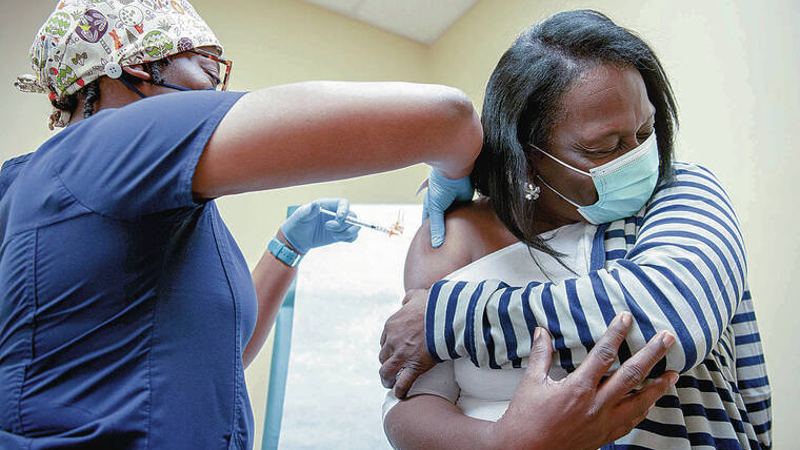
Hawaii has the longest life expectancy in the United States, reflecting healthier residents on average compared with others. However, a growing gap exists between the numbers of seniors and the distribution of medical professionals providing geriatric care. Hawaii faces one of the most severe shortages of primary care physicians in the nation, particularly in rural areas. Many primary care physicians warn that this doctor deficit, combined with insurance provider restrictions, threatens quality of care.
Geriatrics is one of the nation’s lowest-paid specialties, making practice in Hawaii a bigger ask. According to Kamal Masaki, who chairs the geriatric medicine department at the University of Hawaii’s John A. Burns School of Medicine, “The health care systems that employ geriatricians have to be committed to the fact that this is not going to be a moneymaker.” As long as health care is tethered to a fragmented insurance system with cost controls and profit prioritized over quality, this remains a tall order.
Hawaii has an opportunity to prioritize geriatric care through two federal programs: the Rural Health Transformation Program (RHTP) and Achieving Healthcare Efficiency through Accountable Design (AHEAD). In January, Governor Josh Green announced an award of $189 million to implement the RHTP, aimed at improving access to quality primary care, behavioral health services, emergency response, and modern technology. Some funding will support rural providers in adopting innovative, value-based care models. The challenge involves cutting costs through telehealth for routine consultations, reducing prior authorizations, and improving post-hospitalization services.
A promising state initiative, the Pacific Islands Geriatric Workforce Enhancement Program, partners with more than 50 organizations including the Alzheimer’s Association and AARP clinics to promote “age-friendly” health systems and staff rural clinics and community health centers. Geriatric specialists and hospitals must be more highly reimbursed for their services to account for Hawaii’s high cost of living if the state hopes to succeed in transforming the system as the “silver tsunami” of aging approaches.
This article is an AI-assisted summary. All facts and figures are drawn from the original report: https://www.staradvertiser.com/2026/03/13/editorial/our-view/editorial-entice-specialists-to-care-for-seniors/