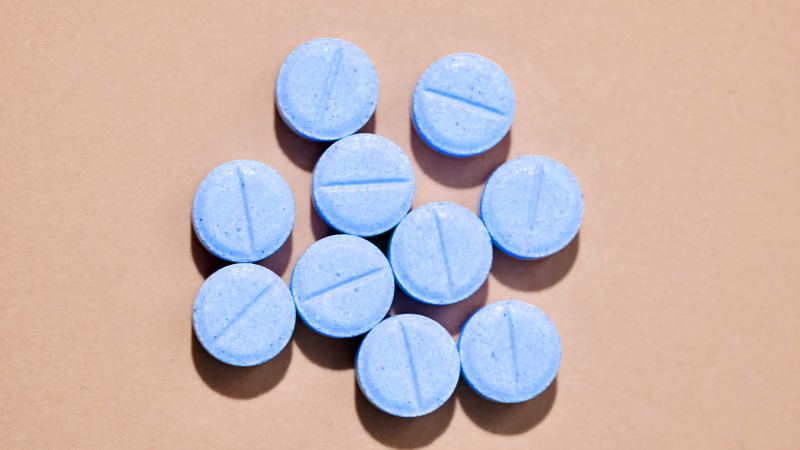
Beta-blockers, old-school heart medications, have gained popularity online for managing performance anxiety without the drowsiness of traditional sedatives. These medications, which include propranolol, work by blocking the effects of adrenaline and activating the sympathetic nervous system’s fight-or-flight response. They cause the heart to beat slower, contract with less force, and dilate blood vessels to lower blood pressure.
Beta-blockers are primarily used to treat cardiovascular conditions including arrhythmias, high blood pressure, heart failure, and angina. They are not FDA-approved for anxiety disorders but are often prescribed “off-label” for situational anxiety—performance anxiety triggered by specific high-stakes situations like public speaking. Because beta-blockers blunt the fight-or-flight response, they treat the physical manifestations of performance anxiety by slowing heart rate, breathing, and shaking. They are fast-acting and effective but cannot address underlying psychological causes of anxiety. A 2025 metareview found a lack of robust scientific evidence showing these drugs’ effectiveness for generalized anxiety.
For cardiovascular conditions, beta-blockers are lifesaving medications. After a heart attack, they protect the heart and prevent secondary attacks. However, they carry important cautions: in people with asthma or lung diseases, they can worsen asthma attacks. In people with diabetes, they may mask the effects of dangerously low blood sugar. In people with low resting heart rate or low blood pressure, they can make these conditions worse and cause dizziness or lightheadedness.
It is increasingly easy to obtain beta-blockers online through telehealth platforms that offer virtual consultations and medication delivery. It is safe to use legitimate, HIPAA-compliant platforms that require evaluation by a licensed health care provider to determine eligibility, but virtual doctors cannot examine patients physically. Beta-blockers are not addictive, but stopping them abruptly after continuous use can lead to withdrawal symptoms. Common side effects include fatigue, dizziness, nausea, dry mouth, mood swings, weight gain, sexual dysfunction, and cold hands or feet.
This article is an AI-assisted summary. All facts and figures are drawn from the original report: https://www.today.com/health/mind-body/beta-blockers-for-anxiety-rcna262409