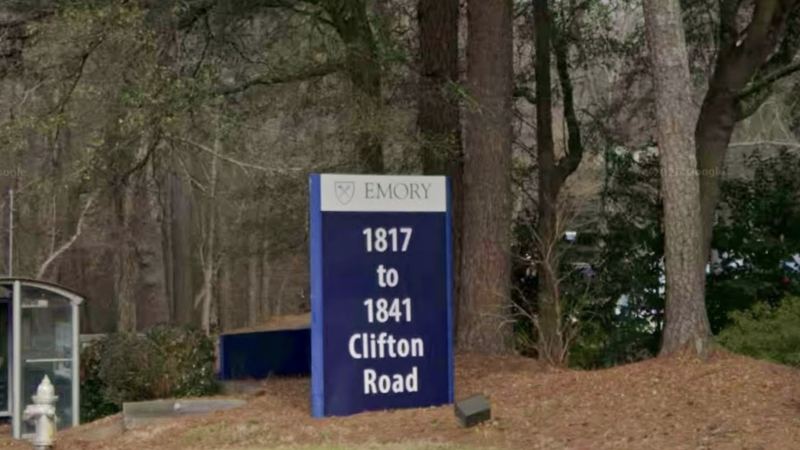
Emory University Hospital’s addiction clinic has lowered its minimum age eligibility to 12 years old and unveiled a renovated 7,000-square-foot outpatient wing targeting teens and young adults. The expansion aims to connect young Georgians with medication-assisted treatment, counseling, and telehealth services before casual substance use develops into addiction.
Funding and Program Scope
The clinic’s renovation and program expansion are backed by a two-year $4.4 million grant from the Georgia Opioid Crisis Abatement Trust, along with more than $2 million in private philanthropic donations. The initiative is part of the broader Addiction Alliance of Georgia effort, a partnership with the Hazelden Betty Ford Foundation that received $5.7 million in settlement funding, with roughly $3 million earmarked specifically to expand adolescent outpatient programs. All services are available free of charge regardless of insurance status.
The Georgia Opioid Crisis Abatement Trust, created after nationwide opioid settlements, is distributing roughly $1.3 billion to projects in Georgia over an 18-year period to support prevention, treatment, harm reduction and recovery work.
Current Substance Use Among Youth
National data underscore the urgency of the expansion. According to the Centers for Disease Control and Prevention’s 2023 Youth Risk Behavior Survey, about 10% of high school students report illicit drug use, roughly 17% report recent marijuana use, and more than 20% report alcohol use in the prior month.
Services and Clinical Model
The Emory Addiction Center now offers medication-assisted treatment including buprenorphine and injectable naltrexone, psychiatric assessments, intensive outpatient programs, individual therapy, skill-building groups, and dedicated family support sessions. The program emphasizes integrated care for co-occurring mental health conditions that often accompany substance use.
Local leaders expect the expanded capacity to facilitate transitions from emergency departments and primary care offices into ongoing treatment. Emory and its partners are using settlement funds for training and workforce development to increase the number of providers specializing in adolescent addiction care.
This article is an AI-assisted summary. All facts and figures are drawn from the original report: https://hoodline.com/2026/03/emory-throws-lifeline-to-georgia-kids-as-addiction-crisis-skews-younger/