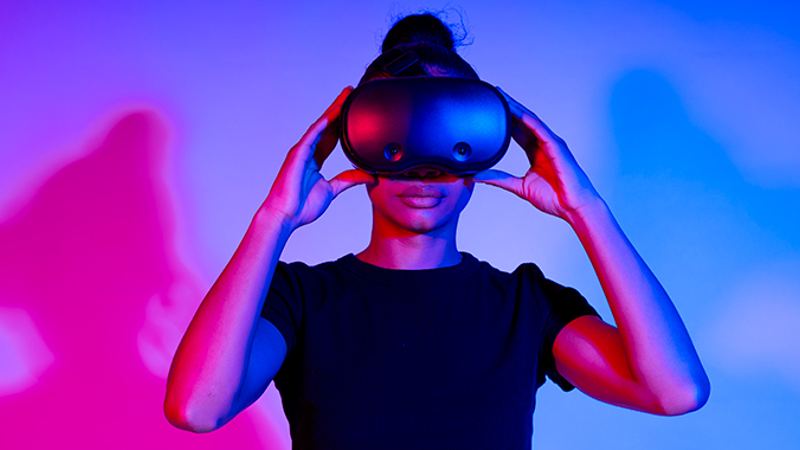
Psychologists are expanding the use of virtual reality in therapeutic settings, developing interventions that help patients develop stronger connections to their future selves and improve decision-making around recovery. Researchers at Indiana University created a VR technology inspired by Stanford research showing that visualizing one’s future self increases motivation to delay immediate rewards.
Addiction Recovery Applications
Addiction researcher Brandon Oberlin, associate professor of psychiatry at Indiana University, developed a virtual reality intervention for people in early recovery that introduces them to two potential selves 15 years in the future—one who continued using drugs and/or alcohol and one who remained sober. The avatars’ programming is based on participants’ real experiences and aspirations. One participant, reflecting on the simulation, stated: “I don’t listen to the police. I don’t listen to my probation officer. I don’t listen to counselors. I don’t listen to anyone else on the street. The only one I trust is me, but you’ve got me giving me good advice. I can hear that.”
Clinical Results
A 2022 pilot study of the intervention showed that it increased future-self continuity and doubled the ability to delay rewards. Eighteen of the 21 original participants remained abstinent 30 days later. The intervention also sends participants daily photo reminders of their recovered future selves. Oberlin’s research has expanded into a startup called Relate XR, currently in clinical trials.
Broader Therapeutic Potential
Researchers encourage their colleagues to embrace VR as a tool for expanding therapeutic applications. Albert “Skip” Rizzo, a research psychologist at the University of Southern California who directs the Medical Virtual Reality program, observed that “the only limits to this is that of our imaginations—and our clinical acumen.”
This article is an AI-assisted summary. All facts and figures are drawn from the original report: https://www.apa.org/monitor/2025/10/virtual-reality-therapy