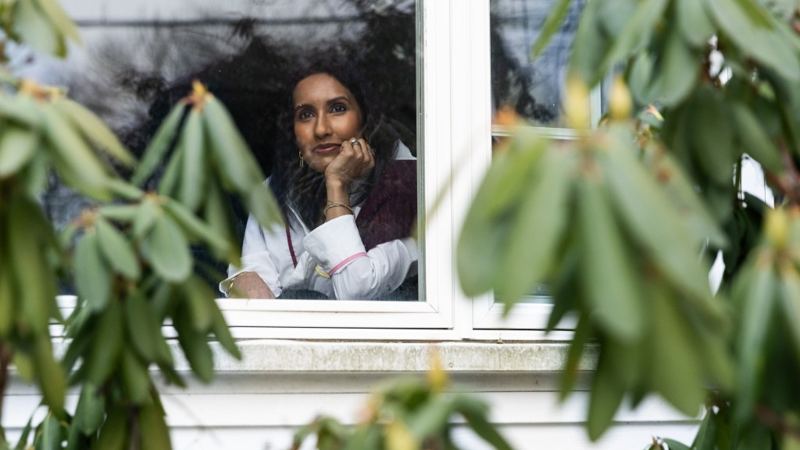
Use of anxiety medications among American adults has risen sharply, with the proportion taking such drugs increasing from 11.7% in 2019 to 14.3% in 2024, according to Centers for Disease Control and Prevention survey data. This represents 8 million additional people, bringing the total to roughly 38 million, with sharp increases among young adults, people with a college degree, and adults who identify as LGBTQ+. The proportion of Americans ages 18 to 34 taking anxiety medication rose from 8.8% in 2019 to 14.6% in 2024.
Most medications in this surge are selective serotonin reuptake inhibitors (SSRIs) such as Prozac, Zoloft, and Lexapro, which doctors and researchers identify as front-line treatments for generalized anxiety disorder and panic disorder. A recent comprehensive study showed that over half of people with generalized anxiety disorder taking an SSRI saw their anxiety symptoms reduced by at least 50%. Common side effects include upset stomach, brain fog, and fatigue, with some SSRIs reducing libido. Side effects prompted about 1 in 12 to stop taking an SSRI.
Even as psychiatric medications gain public acceptance and access expands through telehealth, the rise of SSRIs has triggered criticism from supporters of the “Make America Healthy Again” movement who argue they are harmful. Health and Human Services Secretary Robert F. Kennedy Jr. has decried broadening SSRI use, stating during his January 29 confirmation hearing that he knows people, including family members, who had a tougher time quitting SSRIs than people quitting heroin. He also stated his agency is studying a possible link between SSRI use and violent behavior like school shootings. Psychiatrists counter that SSRIs have been proved safe for extended use and that Kennedy’s statements lack evidentiary support.
Some theories explain the increased medication use: heightened social media consumption, increased isolation, economic uncertainty, and easier access through primary care physicians and brief teletherapy appointments. Young adults are largely driving the increase, potentially influenced by pandemic-related stress. Women take anxiety medications more than men, partly because they are more likely to report anxiety and physicians are “inclined or see anxiety more readily in their female patients.”
This article is an AI-assisted summary. All facts and figures are drawn from the original report: https://kffhealthnews.org/news/article/anxiety-medications-ssris-prozac-zoloft-lexapro-maha-kennedy-rfk-jr/