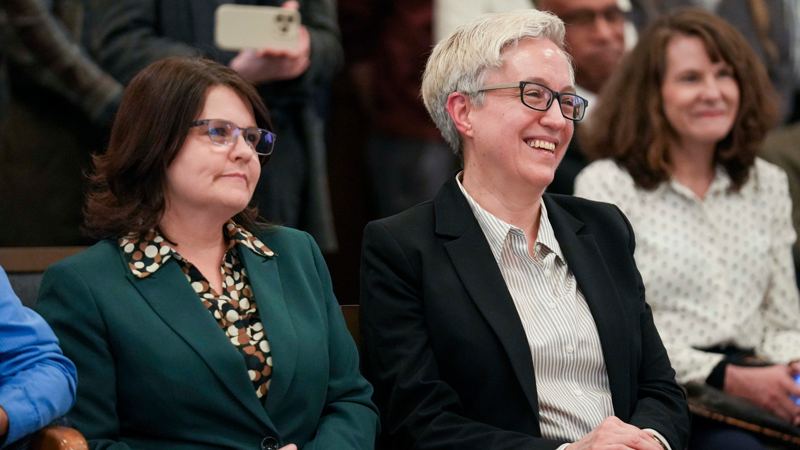
Oregon released a comprehensive plan to address behavioral health worker shortages, outlining 17 action plans across recruitment and retention, licensing and credentialing, and education and training. The plan was developed by a council led by First Lady Aimee Kotek Wilson and consisting of 22 other members with various backgrounds.
The state is struggling with both recruitment and retention of behavioral health workers. A 2025 talent assessment found that child, family and school social workers, and mental health and addiction counselors, are expected to fall short of demand by hundreds to thousands of positions. For nine out of 14 behavioral health roles, over two-thirds of survey respondents reported planning to quit. Low wages and burnout were identified as key contributors to workforce departures. From 2021 to 2025, Oregon invested more than $85 million into the behavioral health workforce through scholarships and hiring bonuses.
The council emphasized that “Oregon cannot recruit its way out of this crisis - retention is the most urgent and cost effective strategy.” Recommendations included lessening administrative burdens, using artificial intelligence for required documents, offering therapy after traumatic events, and creating culturally-specific mentoring opportunities. For isolated rural or tribal areas, the council recommended creating “grow-your-own” roadmaps to boost development and retention in high-need areas.
The council recommended creating a new entry-level behavioral health credential for people without college degrees or previous field experience, requiring completion of Oregon Health Authority trainings. A “Behavioral Health Career Crosswalk” website should be created to provide information on different positions and qualification requirements, along with a chatbot to answer licensing questions.
Governor Kotek backed House Bill 4083, based on council recommendations, to streamline credentialing and make supervision requirements easier to complete. The bill passed the House February 11 with 46 in favor, seven against and seven excused. The Senate Committee on Early Childhood and Behavioral Health voted in favor of sending the bill to a Senate vote on February 19. The bill would allow licensed behavioral health providers to supervise those seeking licensure, making it easier for social workers, counselors and therapists to reach requirements.
This article is an AI-assisted summary. All facts and figures are drawn from the original report: https://www.statesmanjournal.com/story/news/politics/2026/02/20/oregon-council-releases-plan-to-increase-behavioral-health-workforce/88763677007/