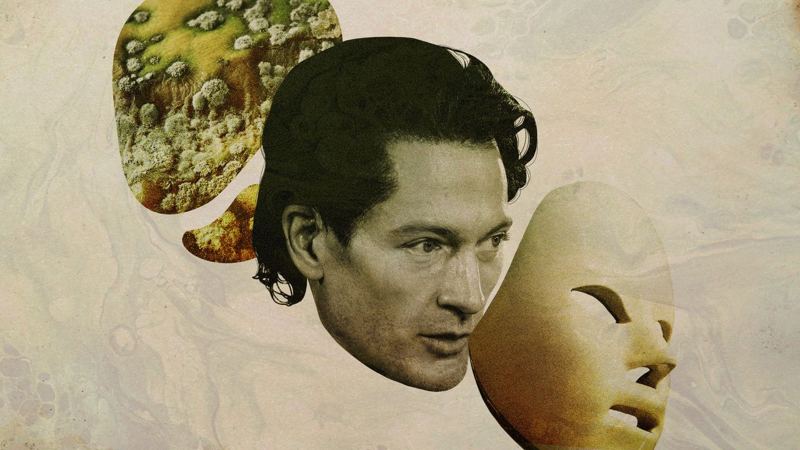
Health professionals are flagging “Longevity Fixation Syndrome” as a new mental-health disorder characterized by an obsession with extending one’s biological clock and staving off not only the signs of age but death itself. Someone with LFS may “obsessively monitor their body, stick to unattainable routines, and engage in behaviours fuelled by fear,” including constant monitoring of sleep patterns, bowel movements, and blood-sugar levels, alongside controversial therapies, intense exercise routines, strict diets, and supplement protocols.
One popular anti-aging therapy is plasma exchange, a process involving being hooked up to a machine which removes blood, separates out and removes the plasma, and replaces it with donor plasma. This is a “well-established treatment for certain blood disorders, autoimmune diseases and neurological conditions,” but its anti-aging benefits have never been proven in large clinical trials. Jan Gerber, CEO of Zurich-based mental-health clinic Paracelsus Recovery, stated that “what starts as self-care becomes obsessive self-surveillance.” The organization is seeing “a growing number” of stressed and anxious people “whose lives are dominated by the fear of ageing and decline.”
Psychological Impact and Reality Check
While LFS has yet to appear in official diagnostic manuals, Gerber compares it to orthorexia, an eating disorder characterized by obsession with healthy food. Like other addictions, LFS can affect career, personal relationships, and lead to loneliness and isolation. Ironically, “the stress generated by this mindset can be so intense that it actively shortens lifespan, rather than extending it.”
Global Google searches for “longevity” tripled over 2025, and entrepreneurs quickly spotted market potential. The most public figure of the anti-aging crusade is Bryan Johnson, a 48-year-old venture capitalist who has claimed he will “achieve immortality” within the next 15 years. Johnson stated he wants his “Don’t Die” movement to be “the most influential ideology in the world by 2027.” Some observers suggest this obsession reflects a “self-centred society” in which people struggle to “accept mortality,” noting that when we die is “not something we can control.”
This article is an AI-assisted summary. All facts and figures are drawn from the original report: https://theweek.com/health/longevity-fixation-syndrome