Research validates multiple lifestyle factors that promote longevity, defined as either lifespan or a combination of lifespan and healthspan—years spent in good health. The World Health Organization’s gold standard for physical activity is 150 minutes per week of mild to moderate exercise, such as 20 to 30 minutes of walking five days a week. However, even small amounts of daily physical activity increase life expectancy, energy, mental health, and overall health. Social engagement through coffee or lunch with friends, volunteering, taking classes, and spending time with relatives contributes to longer, happier lives. Having a personal goal that motivates achievement is linked to both longevity and reduced risk for cognitive problems, as is mental stimulation through learning new languages, playing instruments, or engaging in novel hobbies. Adopting a plant-based diet and practicing stress reduction through meditation, nature exposure, or social connection all support longevity.
The Hidden Factor: Environmental and Social Supports
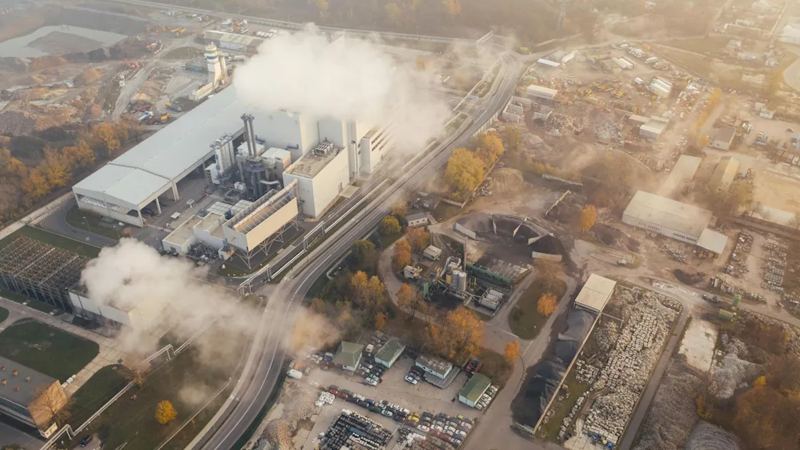
Despite the importance of these “Great Eight” healthy habits, adopting them while ignoring environmental and societal factors will not ensure longevity. Air pollution, water pollution, and weak social safety nets significantly impact lifespan. According to the American Lung Association’s annual “State of the Air” report, 46% of Americans—156.1 million people—are living in places with failing grades for unhealthy levels of ozone or particle pollution. Water pollution from agricultural runoff containing pesticides, herbicides, and toxic chemicals from landfills can cause deadly health effects. Lead pipes, such as those found throughout Flint, Michigan, are particularly harmful to developing children’s brains.
The lack of a robust social safety net in the United States has eroded American lifespan. Traffic accidents, suicides, infant deaths, accidental poisonings, obesity, and drug overdoses all illustrate the need for stronger medical and mental health care. Shockingly, in 2023, the U.S. ranked 55th in life expectancy out of 210 countries. A blueprint for longer life must extend beyond individual actions to include environmental protections and societal supports, as air pollution, water pollution, and disease recognize no borders and affect entire populations regardless of personal health choices.
This article is an AI-assisted summary. All facts and figures are drawn from the original report: https://us.headtopics.com/news/healthy-habits-and-genes-matter-but-so-does-this-79456655