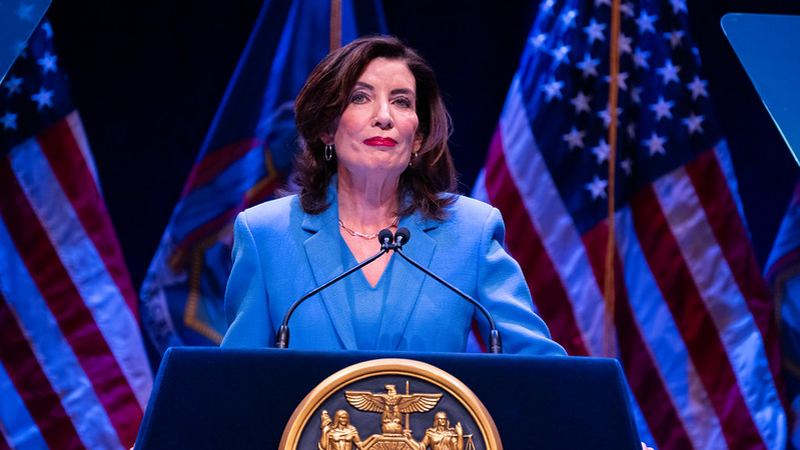
Governor Kathy Hochul signed the Medical Aid in Dying Act into law on February 6, legalizing physician-assisted suicide for terminally ill New Yorkers with less than six months to live. The law includes multiple safeguards: a terminally ill person must make a written request for life-ending drugs, with two witnesses signing to ensure the patient is not being coerced. The request must be approved by both the patient’s attending physician and a consulting physician. Additional guardrails include a mandatory five-day waiting period between prescription writing and filling, and a mandatory oral request by the patient recorded by video or audio. The law will take effect six months from the signing date to allow the state Department of Health time to implement regulations and ensure health care facilities can prepare staff.
Safety Protections and Requirements
Patients seeking physician-assisted dying must undergo a mandatory mental health evaluation. Anyone who may benefit financially from the patient’s death is prohibited from serving as a witness to the oral request or as an interpreter. New York residency is required, and initial physician evaluation must be conducted in person. The law allows religiously-oriented home hospice providers to opt out, and violations are defined as professional misconduct under Education Law.
Rationale and Opposition
Hochul stated the law represents safeguarding “New Yorkers’ freedoms and right to bodily autonomy,” adding that the legislation allows the terminally ill to “peacefully and comfortably end their lives with dignity and compassion.” She cited witnessing her mother’s suffering from ALS as a deeply personal motivation. Assemblymember Sarahana Shrestha expressed relief, noting constituents “have had to witness their loved ones die an unnecessarily painful death.” Ulster County Executive Jen Metzger supported the measure, stating “no one should have to suffer needlessly at end of life.”
However, Assemblymember Brian Maher expressed concern about the policy’s broader implications, stating he was “deeply concerned” and worried the law “may inadvertently send the wrong message about the sanctity of human life.” He emphasized ensuring vulnerable populations including the disabled and those with chronic conditions are afforded “comprehensive options such as palliative and hospice care without feeling coerced or pressured into irreversible choices.”
This article is an AI-assisted summary. All facts and figures are drawn from the original report: https://www.dailyfreeman.com/2026/02/07/hochul-signs-law-legalizing-physician-assisted-suicide-for-terminally-ill/