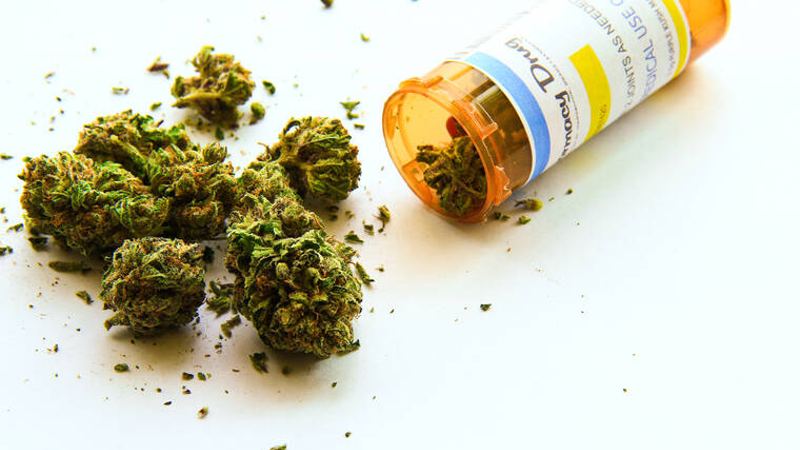
An independent economic analysis commissioned by Hawaii’s Department of Health finds that the state’s medical cannabis program captures the vast majority of patient spending and is effectively serving registered users. The report, prepared by Cannabis Public Policy Consulting and published in December 2025, evaluates Hawaii’s medical cannabis system and models potential impacts of adult-use legalization.
According to the analysis, Hawaii’s regulated medical cannabis program generates approximately $5.3 million in monthly sales and captures roughly 86% to 87% of all cannabis spending by registered patients. Survey-based estimates of patient spending closely matched BioTrack seed-to-sale system data, which recorded $5,336,700 in monthly dispensary sales. Researchers estimate the total cannabis market in Hawaii, including medical, gray, and illicit sources, ranges from approximately $16.5 million to $32 million per month, with medical dispensaries accounting for roughly one-third of that total. About one-quarter of all past-month cannabis consumers in Hawaii are registered medical patients.
Andrew Goff, OMCCR Program Manager, expressed satisfaction with the findings while cautioning that expansion beyond medical use would bring trade-offs. “We are pleased with the report’s findings highlighting the strength and performance of Hawaii’s medical cannabis program,” Goff said. He emphasized that any adult-use system must account for the costs of protecting public health and maintaining a well-regulated industry, noting that cannabis revenue should support treatment, mental health services, public education, workforce development, and social equity initiatives.
Adult-Use Projections
If Hawaii legalizes adult-use cannabis, the report projects that total cannabis sales across all sources could grow to between $59 million and $95 million per month within five years. Tourism is expected to be a major contributor, with the analysis estimating visitors could add at least $11.5 million per month in cannabis demand under legalization. Surveys conducted in Japan and Canada found that most respondents said adult-use legalization in Hawaii would not influence their decision to travel, with 57.5% of Japanese respondents and 64.5% of Canadian respondents saying legalization would have no effect on visit plans.
Currently, Hawaii has eight licensed medical cannabis operators, all vertically integrated, with three on Oahu, two on Hawaii island, two on Maui, and one on Kauai. The report recommends that regulators retain authority to adjust canopy limits and issue licenses to prevent oversupply. To meet projected adult-use demand, Hawaii would need at least 65 retail cannabis outlets statewide in the first year, assuming medical and adult-use sales occur at the same stores.
This article is an AI-assisted summary. All facts and figures are drawn from the original report: https://www.staradvertiser.com/2026/02/06/hawaii-news/report-shows-strong-use-of-isle-medical-cannabis-program/