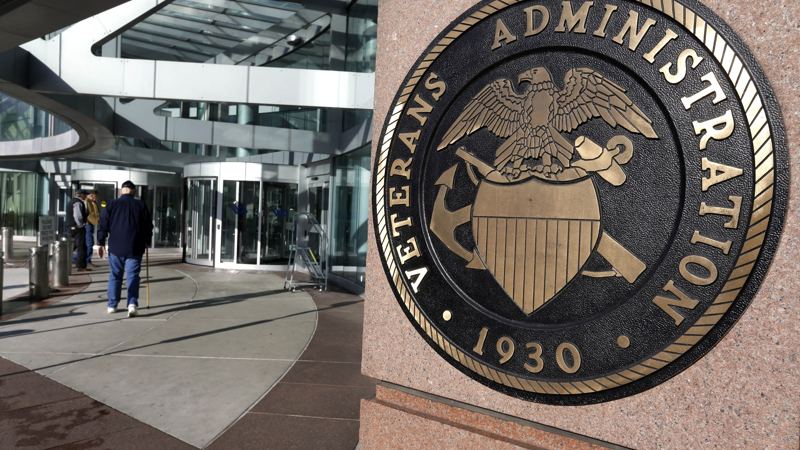
A newly introduced bill known as the BEACON Act would direct $60 million in grants over three years to private entities for traumatic brain injury (TBI) treatment and research, circumventing established clinical channels within the Department of Veterans Affairs. The bill, introduced in early January by Reps. Jack Bergman (R-MI) and Sarah Elfreth (D-MD), is currently moving through the House Veterans’ Affairs Committee pipeline.
The VA’s TBI program represents decades of institutional knowledge and development. Its innovative TBI work launched in 2008 with the establishment of a brain bank to collect and study postmortem brain and spinal cord tissue. This infrastructure paved the way for vital discoveries, including a 2016 report identifying the cerebellum as particularly vulnerable to repeated blast exposures. Today, the VA’s Polytrauma System of Care includes four Polytrauma Rehabilitation Centers, 21 Polytrauma Network Sites, and the VA Translational Research Center for TBI and Stress Disorders, alongside the VA’s Brain Health Network and Coordinating Center.
The BEACON Act is backed by a network of billionaire-funded organizations originally established or heavily supported by Bernie Marcus, the late Home Depot co-founder who donated $2.7 billion to various charitable causes over his lifetime. In 2019, Marcus co-founded the Avalon Action Alliance, which serves as an umbrella for 20 programs providing free services to veterans. Marcus gave $24.7 million to Avalon during its first five years and contributed $38 million to the Marcus Institute for Brain Health, tens of millions to the Shepherd Center SHARE Military Initiative, and roughly $20 million to Boulder Crest Foundation.
Concerns and Opposition
The VA itself has expressed opposition to BEACON, describing it as counterproductive. The agency noted that the grants would create a new funding mechanism derived from congressional appropriations otherwise available for general mental health care programs, representing an uncertain return on investment. The VA warned that funds made available for clinical care should be used to deliver clinical care rather than experimental methodologies.
Peer-reviewed studies of donor-funded TBI initiatives show mixed results. Research on Wounded Warrior Project’s intensive outpatient program found positive neurobehavioral outcomes, while Boulder Crest’s 18-month study reported positive improvement in post-traumatic stress symptoms among 184 participants who attended retreats between 2019 and 2021. However, Boulder Crest’s data shows it served 1,146 individuals during that period, meaning 962 participants were excluded from the analysis. The Marcus Institute has released no published results, indicating impact data are still pending.
This article is an AI-assisted summary. All facts and figures are drawn from the original report: https://prospect.org/2026/02/05/veteran-department-veterans-affairs-traumatic-brain-injuries-beacon-act/