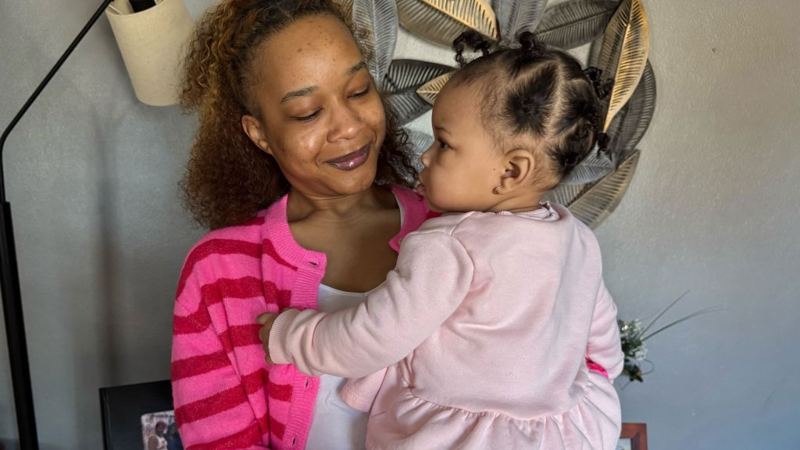
Pregnant people who cannot afford health insurance may qualify for Medicaid, which is available in every state. Research shows that prenatal care makes a significant difference to the long-term health of both parent and baby. Medicaid pays for more than 40% of births in the U.S. and an even higher percentage in rural areas.
Pregnancy creates priority eligibility status for Medicaid in most states, even for those who previously would not have qualified. In Tennessee, for example, the income eligibility cutoff for pregnancy is more than double the threshold for other residents. To apply, applicants typically need to provide proof of income, a Social Security number, and proof of residency. In 28 states, pregnancy results in “presumptive eligibility,” which provides immediate coverage even without confirmation of the pregnancy while the application goes through approval. According to the HealthQ series, one applicant in Illinois found the sign-up process “surprisingly easy”—she called the state Medicaid agency after learning about the program during her initial prenatal visit and walked out of an in-person appointment with coverage.
Coverage and Benefits
Medicaid provides all prenatal care at no out-of-pocket cost and usually a full year of postpartum coverage. Coverage of dental, vision, and mental health care varies by state. Some states offer additional benefits; one Georgia applicant received “rewards for going to your appointments,” including grocery cards and a breast pump. However, Medicaid comes with limitations: providers may restrict how many Medicaid patients they accept, since payments are substantially lower than other insurers’. Some maternal health advocates are concerned about how Medicaid cuts in the One Big Beautiful Bill Act will affect pregnancy coverage, though it remains unclear when or how states might scale back eligibility or offerings for expectant mothers.
This article is an AI-assisted summary. All facts and figures are drawn from the original report: https://kffhealthnews.org/news/article/healthq-pregnancy-pregnant-uninsured-medicaid-prenatal-postpartum/