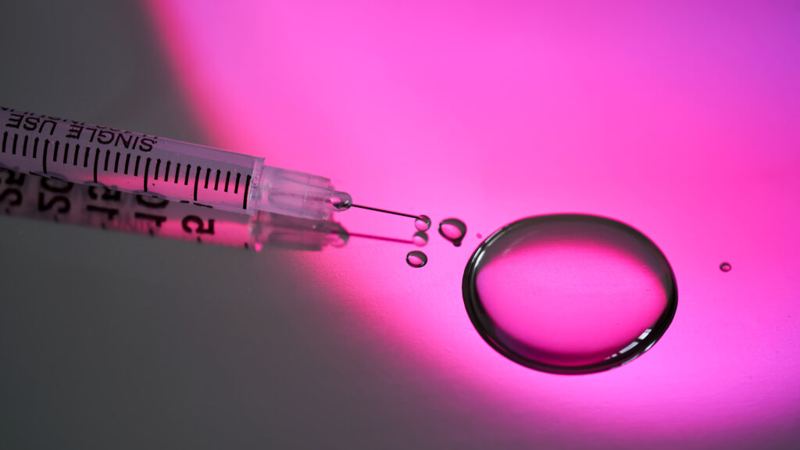
BPC-157, an unapproved peptide discovered by Croatian researchers, has exploded in popularity despite minimal human data, raising questions about safety, regulation, and informed consent in an emerging market of experimental therapies. The peptide’s story began with research by Predrag Sikiric, a professor of pharmacology at the University of Zagreb. The earliest PubMed entry is a 1992 study where Sikiric and colleagues described a “new potent peptide” isolated from human gastric juice and dubbed Body Protection Compound. In animal models, BPC-157 promotes new blood vessel growth and reduces inflammation, enhancing healing in tendons, ligaments, and muscle with few documented side effects. However, nearly all of this research involves only rodents.
Critics note that the vast majority of the roughly 200 BPC-157 studies listed on PubMed include either Sikiric or colleague Sven Seiwerth as a main author, raising concerns about confirmation bias. A 2015 trial registered on clinicaltrials.gov was designed to test an oral version of BPC-157 for safety in humans; the team submitted data but then withdrew it before outside review. Sikiric’s 2025 review claims the trial found the drug “safe and well-tolerated,” but offers no published paper or data to support this. Sikiric holds multiple undisclosed financial interests, including ownership of PharmaCotherapia, which sponsored the Tijuana trial, and CEO status at Diagen, which claims to own a patent for a “special stable version” of BPC-157 currently for sale on the company’s website.
From Underground Forums to Mainstream Wellness
Once confined to hardcore gym subcultures using underground websites and forums like Bodybuilding.com and ThinkSteroids.com beginning around 2010, BPC-157 has gained mainstream traction through popular podcasters and wellness clinics. The FDA explicitly prohibited compounding pharmacies from supplying BPC-157 in 2023, citing “potential significant safety risks” including possible immune responses, impurities, and incomplete safety data. Yet the gray market persists: some Reddit users report positive experiences with pain management and athletic recovery, while others report side effects including body-wide itching, intense anxiety, and anhedonia.
Health and Human Services Secretary Robert F. Kennedy Jr. has signaled openness to loosening restrictions on experimental treatments like BPC-157 as part of his Make America Healthy Again movement. At a November MAHA summit, panelist Josh Fritzler, an executive at Florida-based compounding pharmacies, promoted BPC-157 as an example of “products that can change people’s lives.” Kennedy told wellness entrepreneur Gary Brecka: “If a person wants to take an experimental drug, that person should be allowed to do that.” Concerns remain about information quality—some enthusiasts commercializing BPC-157, like Brecka, sell nasal sprays for $375 and patches for $575 per month, creating financial incentives that may conflict with scientific objectivity.
This article is an AI-assisted summary. All facts and figures are drawn from the original report: https://www.statnews.com/2026/02/03/bpc-157-peptide-science-safety-regulatory-questions/