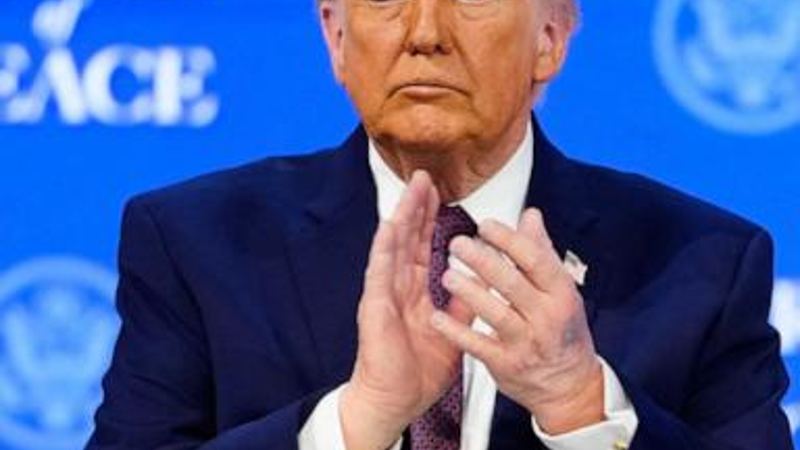
The U.S. has finalized its withdrawal from the World Health Organization one year after President Donald Trump announced the move, ending America’s 78-year commitment to the global health agency. However, the separation leaves significant unresolved issues, including more than $130 million owed to the WHO and incomplete arrangements for disease surveillance that could provide early warning of new pandemics.
Financial and Operational Implications
According to the WHO, the U.S. has not paid dues for 2024 and 2025, leaving a balance of more than $133 million. The U.S. Department of Health and Human Services reports that America has historically paid $111 million annually in member dues and roughly $570 million more in annual voluntary contributions. Trump administration officials contend the U.S. had no obligation to pay prior to withdrawing as a member, a position disputed by public health experts who note the U.S. is legally required to give notice one year in advance of withdrawal and to pay outstanding financial obligations.
Scope of Global Health Impact
The WHO coordinates responses to global health threats including mpox, Ebola, and polio. The U.S. withdrawal will cut American participation in WHO-sponsored committees, leadership bodies, governance structures, and technical working groups. This includes the WHO group that assesses circulating flu strains and makes decisions about updating flu shots. Lawrence Gostin, a public health law expert at Georgetown University, called it “the most ruinous presidential decision in my lifetime” and warned that disease intelligence sharing has historically kept Americans “at the front of the line” when new outbreaks occur.
Administration Rationale
In his executive order, Trump cited WHO’s mishandling of the COVID-19 pandemic and other global health crises, the agency’s “failure to adopt urgently needed reforms,” and its “inability to demonstrate independence from the inappropriate political influence of WHO member states.” The administration also criticized that none of WHO’s nine chief executives since its 1948 creation have been Americans, despite U.S. financial dependence on American contributions and CDC personnel.
Trump administration officials say they are working to establish direct disease-sharing relationships with multiple countries rather than relying on WHO as intermediary, though they have not provided specifics about arrangements in place. Dr. Ronald Nahass, president of the Infectious Diseases Society of America, called the withdrawal “shortsighted and misguided” and “scientifically reckless.”
This article is an AI-assisted summary. All facts and figures are drawn from the original report: https://abcnews.go.com/Health/wireStory/us-completes-withdrawal-world-health-organization-129472310