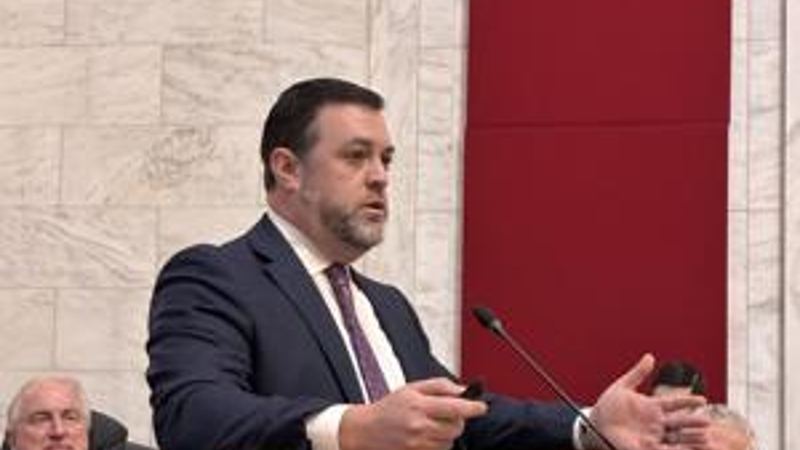
West Virginia lawmakers heard contrasting perspectives on the future of Medicaid during a Joint Standing Committee on Finance meeting held Monday prior to the start of the 2026 legislative session. The West Virginia Association of Health Plans presented a strategic roadmap for reducing costs, while the West Virginia Health Care Association argued against expanding managed care organizations into additional service areas.
The Association of Health Plans, representing four managed care organizations (Aetna, Highmark, The Health Plan, and Wellpoint), presented recommendations titled “Medicaid Made Right – Policy Reform Recommendations for West Virginia’s Medicaid Program,” developed over nine months. Key proposals include integrating long-term support services into managed care, expanding telehealth access, standardizing provider fee schedules, and reviewing the Certified Community Behavioral Health Clinic program, which reportedly drives up costs by between $30 million and $40 million annually. The association also recommended re-evaluating a 2017 decision to carve out pharmacy benefits from managed care. Twenty-five other states have already integrated long-term support services (LTSS) into managed care, according to the presentation.
The West Virginia Health Care Association, representing nursing homes and assisted living facilities, countered with criticism of managed care expansion. Its chief executive officer argued that shifting Medicaid dollars to insurance companies creates bureaucratic inefficiencies and does not improve health outcomes for vulnerable patients. He presented data showing that state payments to MCOs have surged from $600 million in 2015 to a projected $2.1 billion in 2025. During this same period, the state’s national health rankings for depression, adult obesity, and diabetes have declined. MCOs retain approximately 15% of Medicaid funds ($0.15 of every dollar), compared to 3% in Virginia, 4.6% in Kentucky, and 9.1% in Pennsylvania—amounting to $316 million diverted from direct patient care in 2025.
West Virginia’s Medicaid program covers approximately 522,000 people, including 46% of births, 45% of children, and 77% of nursing home residents. The state receives roughly $4.5 billion in federal Medicaid funding, though the Kaiser Family Foundation estimates potential losses of as much as $1 billion in annual federal health care funding once changes to Medicaid and the Affordable Care Act are fully implemented.
This article is an AI-assisted summary. All facts and figures are drawn from the original report: https://www.wvnews.com/news/wvnews/lawmakers-hear-dueling-reports-regarding-future-of-medicaid-in-west-virginia/article_e03a68f9-7fb4-4296-aa9b-e1b983002a5e.html