Cosmetic surgery advertising makes sweeping promises about quick recovery and minimal pain, yet receives minimal regulatory oversight despite a growing number of patient deaths and serious injuries. The deaths of multiple women following procedures at Elite Body Sculpture and other chains highlight the gap between marketing claims and actual patient outcomes.
Fatal Cases and Failed Advertising Claims
Lenia Watson-Burton, a 37-year-old U.S. Navy administrator, died three days after undergoing AirSculpt, a liposuction-like procedure at Elite Body Sculpture’s San Diego office. Court records show Watson-Burton’s bowel was perforated during the procedure, causing sepsis and her death on October 29, 2022. The company’s website had described AirSculpt as “gentle on the body,” claiming patients would experience “the fewest possible risks” and return to routine “as soon as 24-48 hours post-operation.” Instead, when Watson-Burton reported severe pain the day after surgery, staff took no action to evaluate her. The lawsuit also alleged the company falsely claimed the procedure had automated technology designed to prevent the cannula from penetrating too deeply.
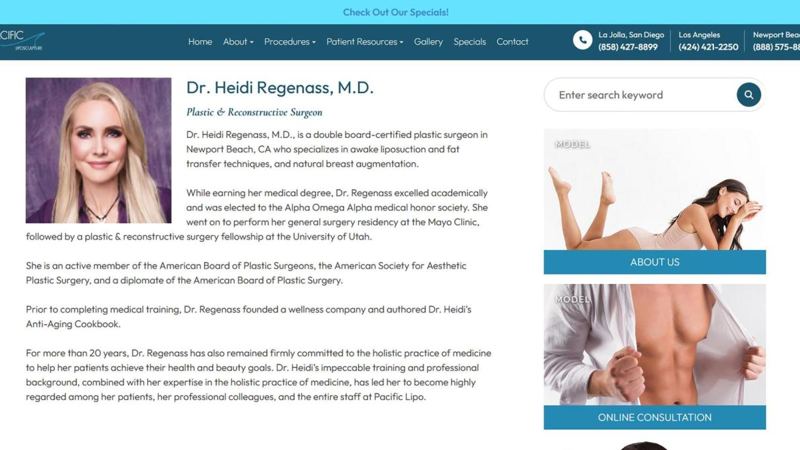
Similarly, Tamala Smith, 55, a traveling registered nurse from Ohio, died less than two weeks after liposuction and fat transfer at Pacific Liposculpture in Newport Beach, California. Smith had selected surgeon Heidi Regenass based on Instagram posts describing her as an “awake liposuction and fat transfer specialist,” with promises of minimal pain and 24-48 hour recovery. During the three-hour procedure on February 8, 2023, Smith called the office twice with complaints of pain and swelling, but staff dismissed these as normal. Smith died in an extended-stay hotel near the facility; her body was discovered surrounded by stained towels and post-operative instructions.
A third woman, Terri Bishop, 55, died approximately three weeks after undergoing liposuction and fat transfer at Pacific Liposculpture’s facility, though the medical examiner attributed her death to cardiovascular disease rather than surgical complications.
Regulatory Gaps and Marketing Spending
There is no federal requirement that cosmetic surgery companies post evidence supporting their advertising claims. No agency systematically tracks complication rates or how effectively surgeons follow up on injuries. Elite Body Sculpture, a publicly traded company with more than 30 offices across the U.S. and Canada, spent $43.9 million in “selling expenses” in 2024—$3,130 per customer acquisition. As of November 2024, founder Aaron Rollins resigned as executive chairman.
Under Federal Trade Commission guidelines, medical advertising must be “truthful, not deceptive, and backed up by competent and reliable scientific evidence.” However, most cosmetic surgery websites offer little or no documentation supporting claims about recovery times or pain levels. The law permits “puffery”—boastful statements no reasonable person would take literally—but the line between acceptable marketing and false advertising remains contested.
Patient Injuries and Informed Consent
Since March 2023, at least seven patients have filed lawsuits against Elite Body Sculpture citing misleading advertising or misrepresenting results. In one case, Caitlin Meehan underwent a $15,000 AirSculpt procedure at Elite Body Sculpture’s Pennsylvania clinic in March 2023, marketed as “Lunch Time Lipo.” During the procedure, gases became trapped beneath her skin, causing widespread swelling and shortness of breath. Though a staff member was asked to call an ambulance, it was deemed unnecessary; Meehan ultimately spent four days in the hospital.
Scott Hollenbeck, immediate past president of the American Society of Plastic Surgeons, stated that recovering from liposuction in one day “seems unrealistic” given expected bruising and swelling, calling such claims “extremely bad advice.” More than 20 other medical malpractice cases reviewed documented unexpected severe pain during “awake liposuction” procedures.
This article is an AI-assisted summary. All facts and figures are drawn from the original report: https://www.timesheraldonline.com/2026/01/11/cosmetic-surgery-chain-advertising/