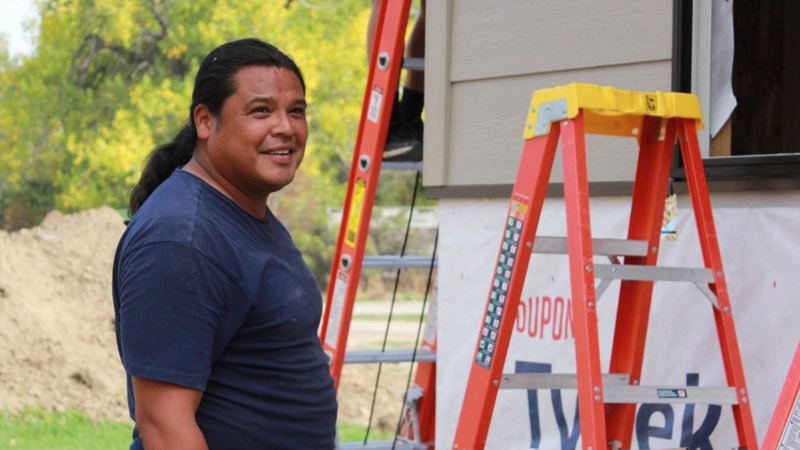
In Lodge Grass, Montana, a community of about 500 people on the Crow Indian Reservation, brothers Lonny and Teyon Fritzler are among those working to rebuild after methamphetamine devastated their town. Lonny, 41, started using meth after college, partly due to stress from caring for their grandfather with dementia. Teyon, 34, began at 15 with their father. Both struggled for years, and both their father and grandfather are now dead. Only by leaving their home in Oklahoma to recover did they overcome their addictions.
The methamphetamine epidemic remains severe in Lodge Grass, with an estimated 60% of residents age 14 and older struggling with drug or alcohol addictions, according to a local survey by the Mountain Shadow Association, a Native-led nonprofit. Crumbling structures throughout the community symbolize this struggle. Lonny described the few neighboring homes: “We have broken-down houses, a burnt one over here, a lot of houses that are not livable.” Native Americans face the highest rates of meth addiction in the United States compared with any other demographic group, making rural reservations particularly vulnerable.
Signs of renewal are emerging. In recent years, the town has torn down more than two dozen abandoned buildings. A day care center, delivered in October 2024, replaced a formerly abandoned home that tested positive for meth traces. A parade of people followed the building through town as it arrived on a truck. “People were crying,” said Megkian Doyle, head of the Mountain Shadow Association. “It was the first time that you could see new and tangible things that pulled into town.”
The nonprofit is constructing Kaala’s Village, an entire campus where families can heal from addiction. The plan includes mental health resources, housing for children whose parents need treatment, and housing for families working to live without drugs and alcohol. Kaala means “grandmother” in Crow. The project is expected to cost $5 million and will be built in phases. Lonny and Teyon Fritzler are among the builders on the project, seeing it as a chance to help rebuild their community and their own family home, “just piece by piece.”
This article is an AI-assisted summary. All facts and figures are drawn from the original report: https://kffhealthnews.org/news/article/tribal-health-meth-epidemic-recovery-montana-town-rebuilds-crow-reservation/